Demo story. Sample content for the Pressline theme demonstration.
On this page
A public space begins at its edges
A small square can look generous on a plan and still feel awkward in daily use. Watch how people arrive, where they cross and which edges they choose to stand beside.
A direct route to a shop or bus stop may matter more than a formal entrance. The surrounding streets determine whether the space belongs to an everyday journey or feels like a place that requires a special trip.
Comfort is made from ordinary details
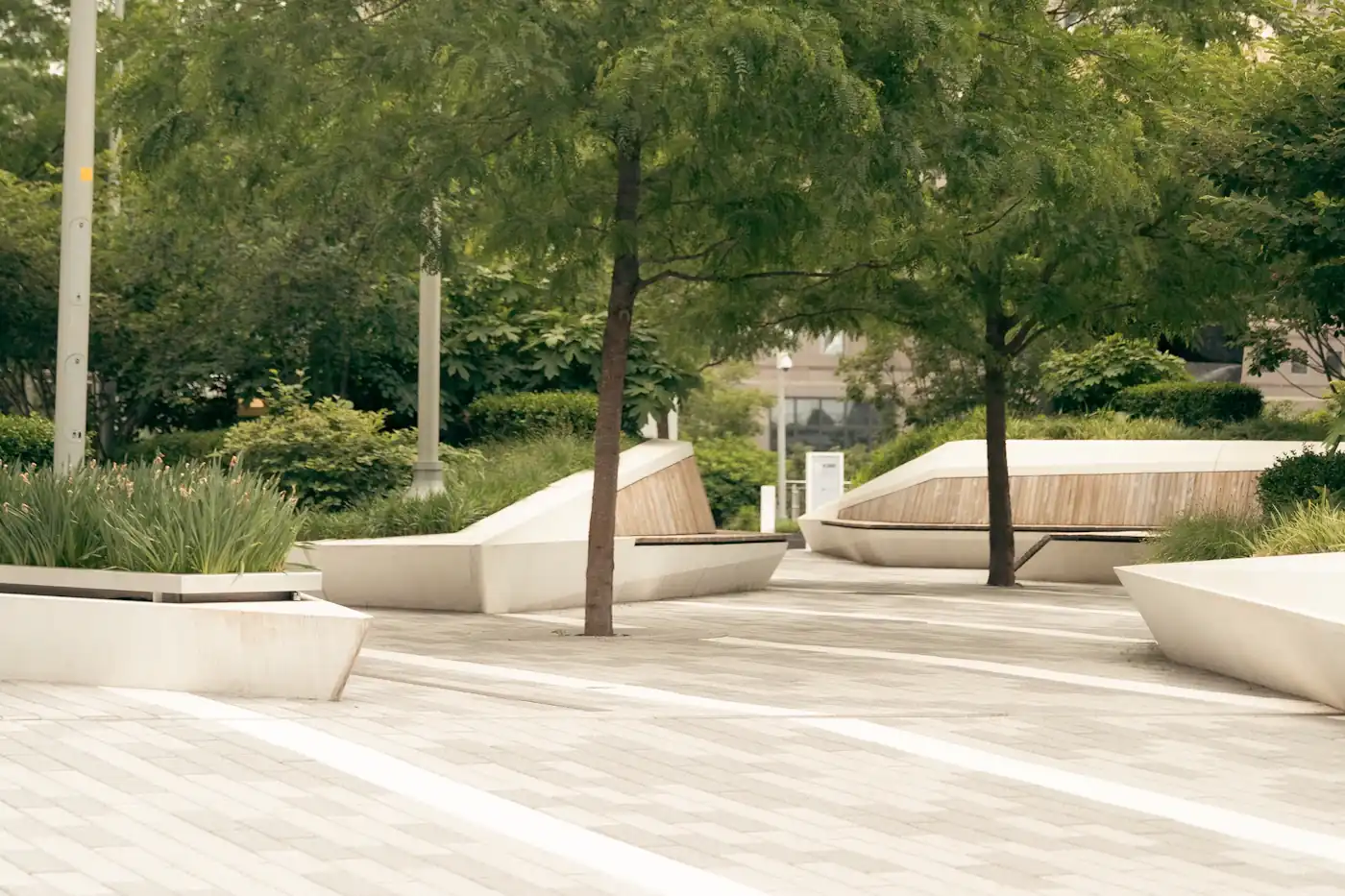
Seating, shade, clear sightlines and room to pass create different kinds of welcome. Some people need a quick rest; others want to meet a friend without buying anything.
A useful space allows both. Consider the experience of a wheelchair user, someone pushing a pram and a person carrying shopping, rather than imagining a single ideal visitor moving through an empty drawing.
Care continues after opening day
Public life also depends on maintenance. A broken light, an overgrown route or a bench that stays wet can change how a place is used.
Give these ordinary problems an obvious reporting route and a responsible owner. The lasting measure of a small public space is the range of unremarkable daily activities it can support comfortably.