On this page
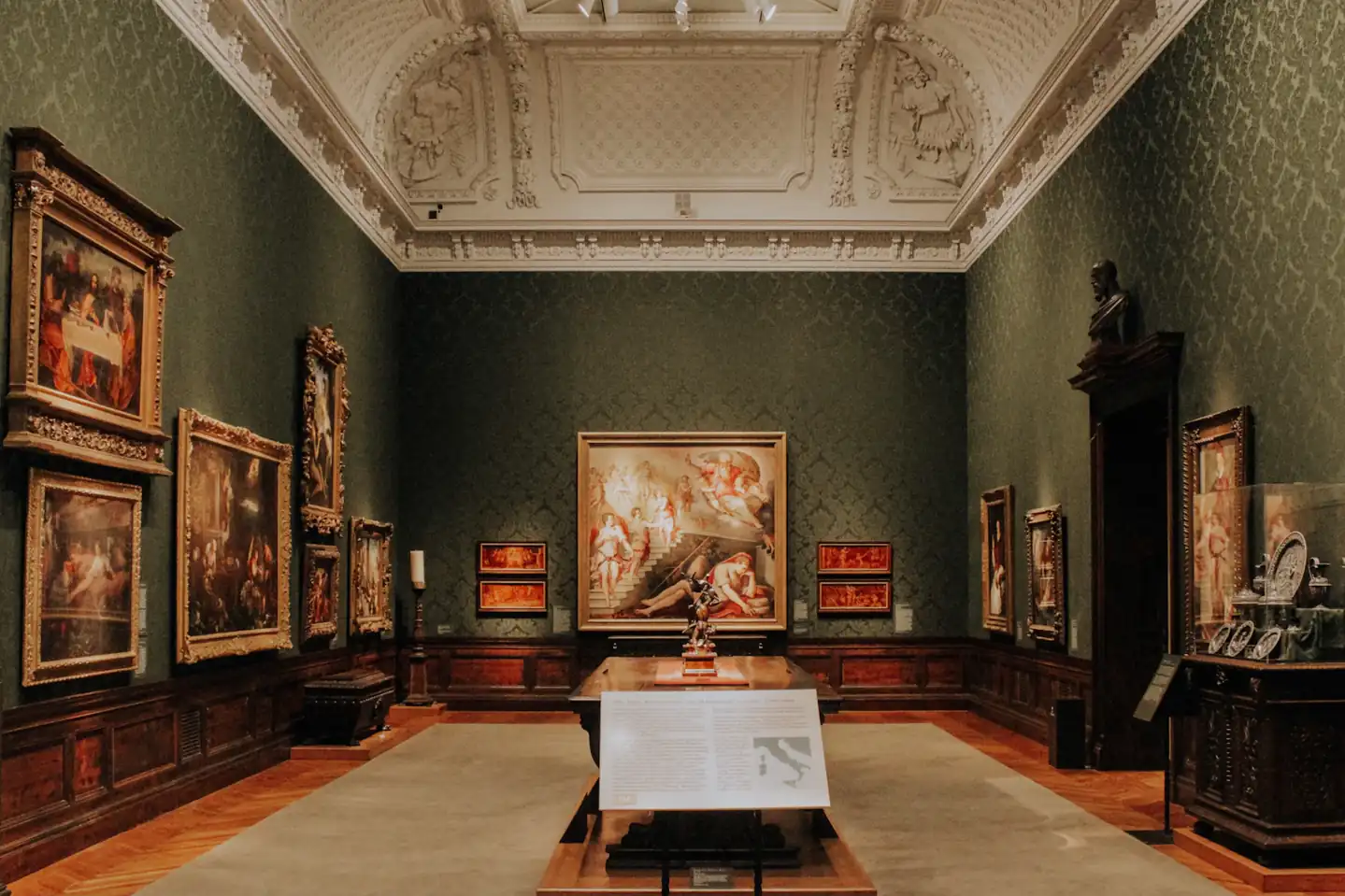
Give the room a readable beginning
A visitor should be able to understand how to enter an exhibition without already knowing its argument.
A short introduction can provide a question or a point of reference. Keep the first decision clear: where to begin, which way to continue and how the room relates to the next one.
Let the object remain the subject
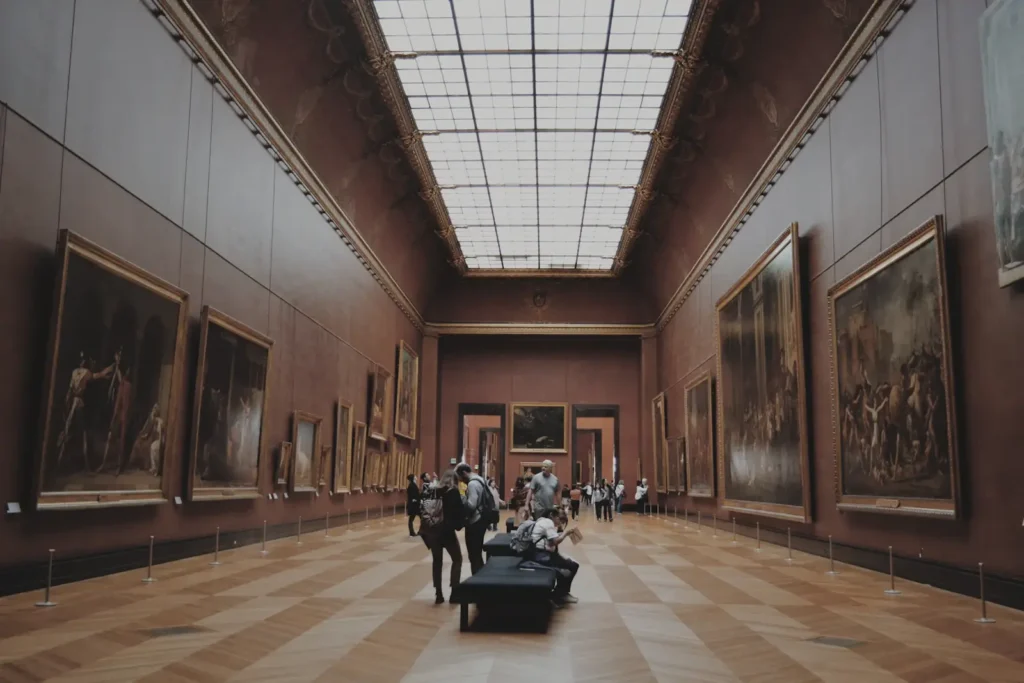
Labels, lighting and display furniture should support looking rather than compete with it. Give an object enough context to become interesting without requiring an essay to precede every encounter.
Specialist conservation and display requirements belong within that work. The visible result should make the visitor’s attention feel well used.
Offer more than one way to spend time
Not every visitor moves at the same pace. Seating, clear routes and different levels of interpretation can support a longer visit without turning it into an obligation.
A room may reward a quick impression and a careful second look. Those experiences can coexist when the arrangement leaves enough space for each.
Review the actual path through the exhibition
Observe where people stop, what they bypass and which labels cause confusion. Attendance alone does not describe how the room is experienced.
A useful review connects those observations with the exhibition’s purpose. The next adjustment may be a clearer sentence or a different placement rather than another object added to the wall.