On this page
Begin with the ordinary action
A piece of furniture supports something specific: sitting, reaching, storing or gathering. Describe that action before concentrating on a silhouette.
The relationship with the body and the surrounding room provides a concrete way to assess a detail. A beautiful outline needs to remain convincing when the object becomes part of an ordinary day.

Let the material inform the decision
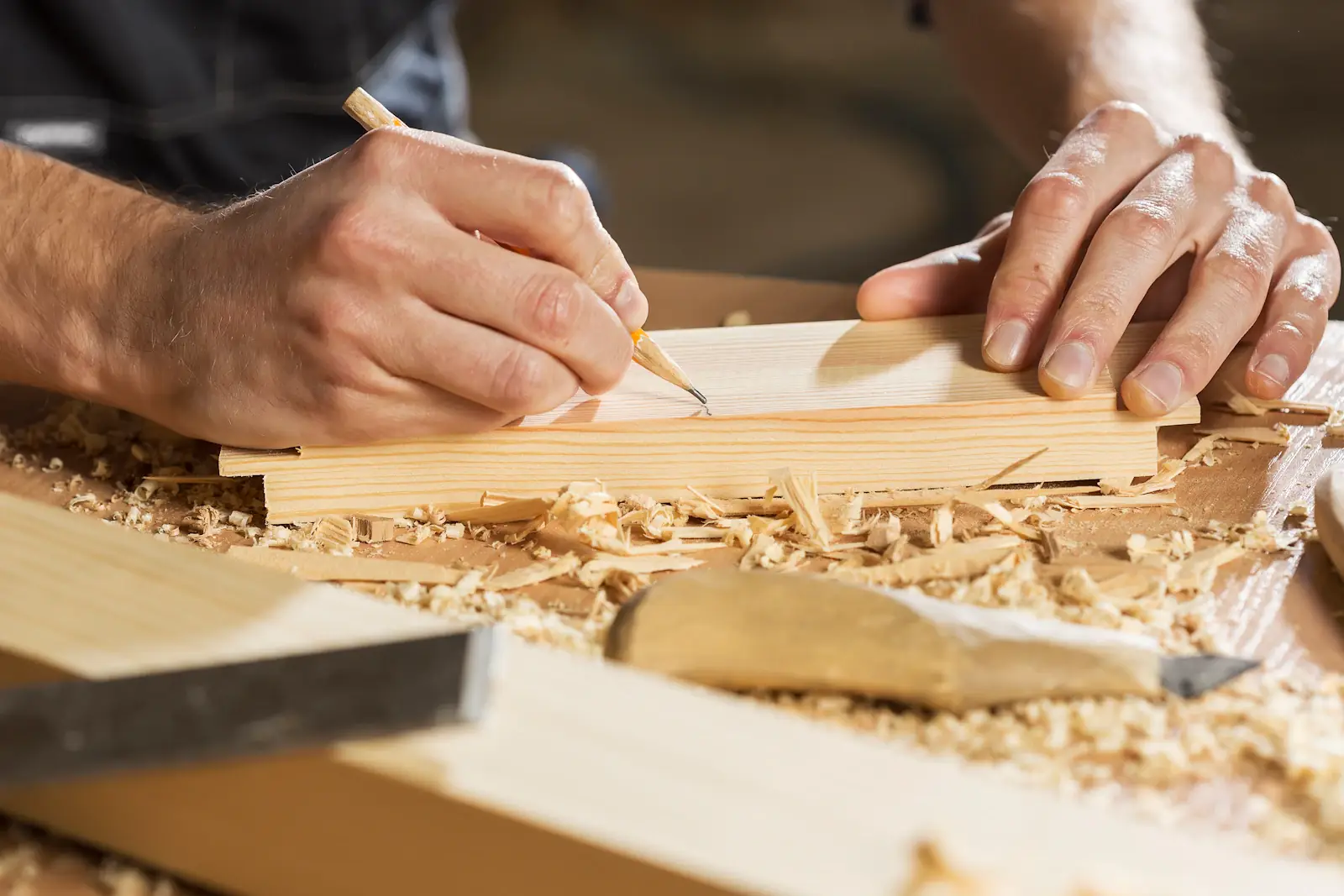
Material has qualities that affect construction and use. Understand the relevant characteristics with the appropriate making expertise rather than treating a surface as a purely visual choice.
The joint, finish and form should work together. A good detail is not an isolated flourish; it belongs to the way the whole object is made and expected to behave.
Test a detail at a useful scale
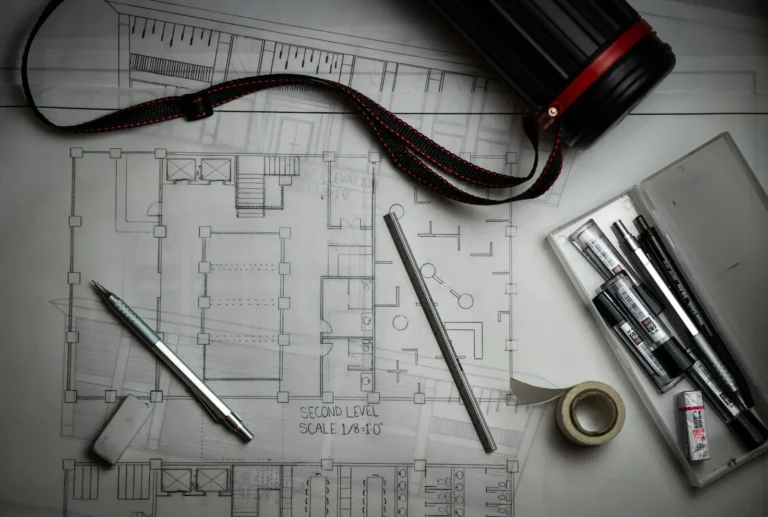
A drawing can explain an intention, while a suitable model or prototype can reveal a different kind of information. Try the action the object is meant to support.
Notice where a hand hesitates or a movement feels awkward. Record what the test actually shows rather than using the prototype only to confirm a preferred design.
Keep future care in the conversation
An object will be moved, cleaned and eventually need attention. Think about access to the parts most likely to require care and keep useful material information.
Repairability is easier to support when it has a place in the original decisions. A detail earns its place when it contributes to use and remains understandable beyond the moment of making.