On this page
Begin with the question behind the observation
A scientific instrument has a purpose beyond producing a dramatic picture. Ask what a particular observation is intended to examine and which information is needed.
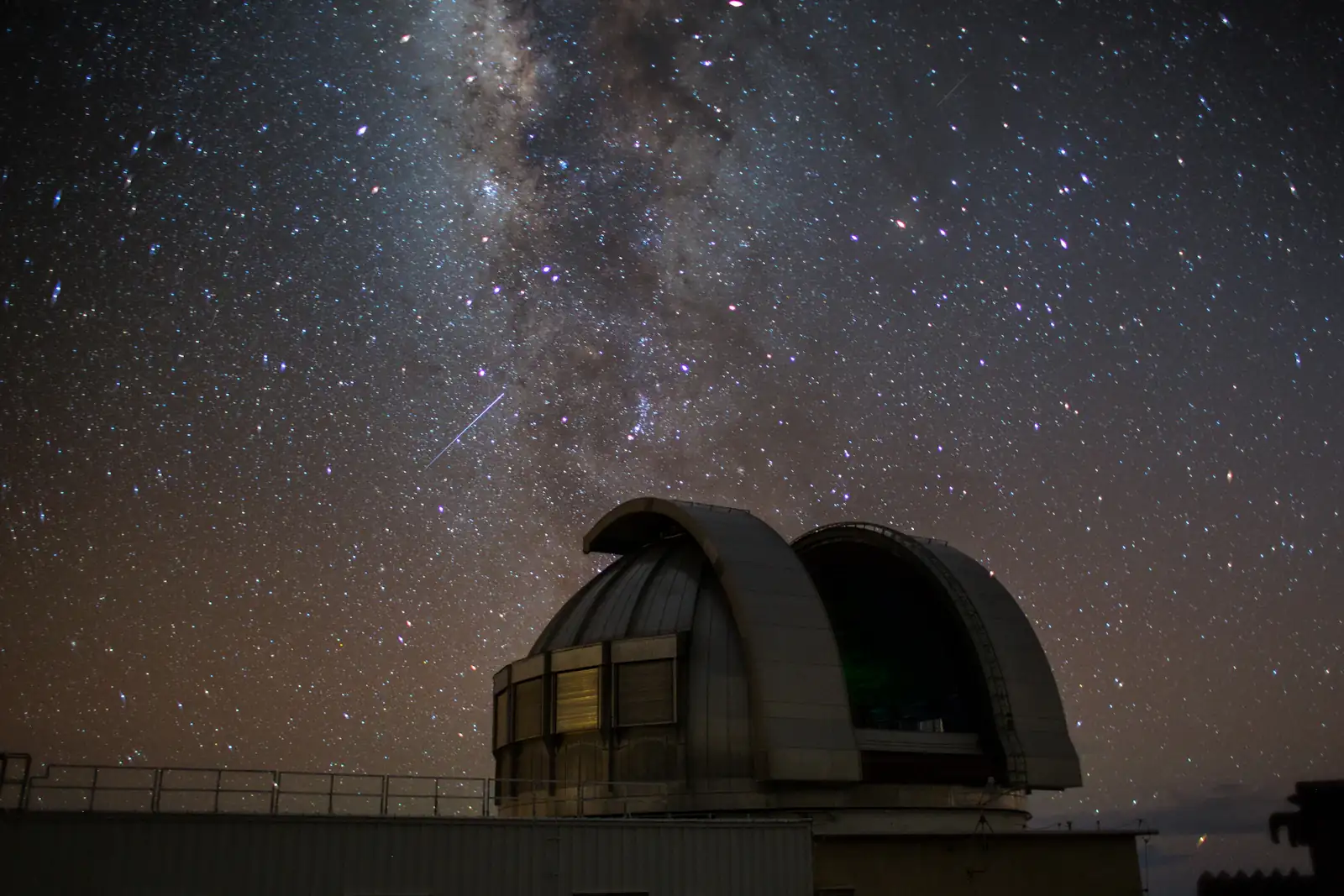
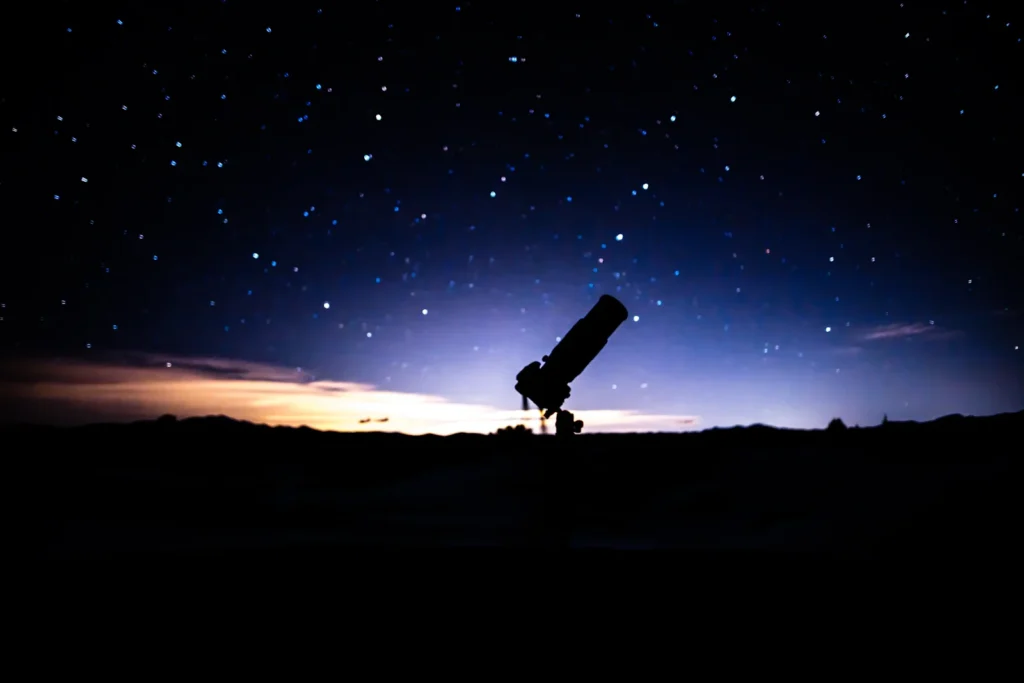
The answer gives the equipment a context. A photograph of a telescope can introduce the setting, but it does not explain the work without that connection.
Explain the instrument’s view
Different instruments and methods can produce different kinds of information. A clear account identifies which observation is being discussed rather than treating every view of the sky as equivalent.
Avoid assuming that an image resembles what a person would see unaided. The way information is collected and presented is part of understanding the result.
Keep interpretation connected with evidence
An observation may support a question without settling every explanation. Distinguish the recorded information from the conclusions drawn from it.
Use relevant scientific sources and preserve uncertainty where it remains. A careful account can be compelling without turning each image into a claim that a long-standing question has finally been resolved.
Give public curiosity a useful starting point
An observatory visit or an educational resource can make unfamiliar work approachable. Explain the purpose, the conditions of a visit and what a participant can reasonably expect.
The aim is an invitation to understand more, not a test of prior knowledge. The night sky becomes richer when the beautiful view leads to a clearer question.