Demo story. Sample content for the Pressline theme demonstration.
On this page
Browse beyond the title you came for
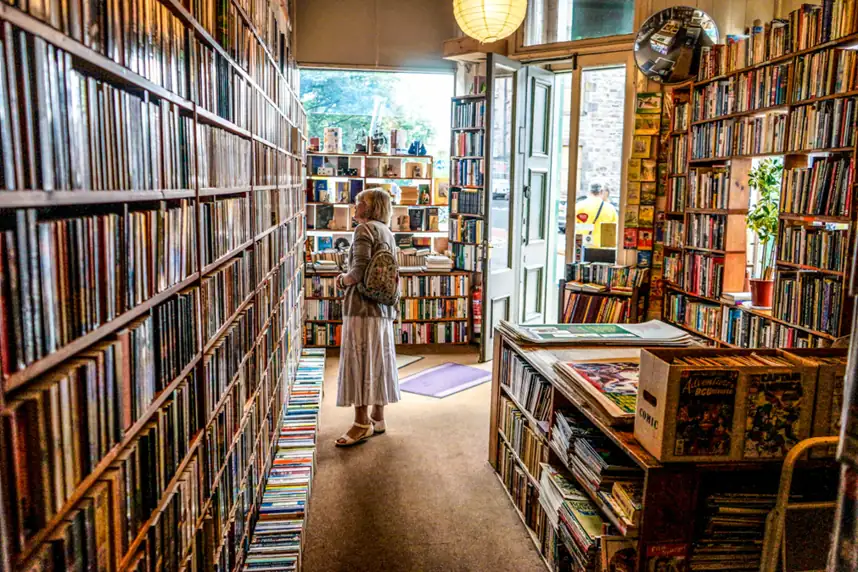
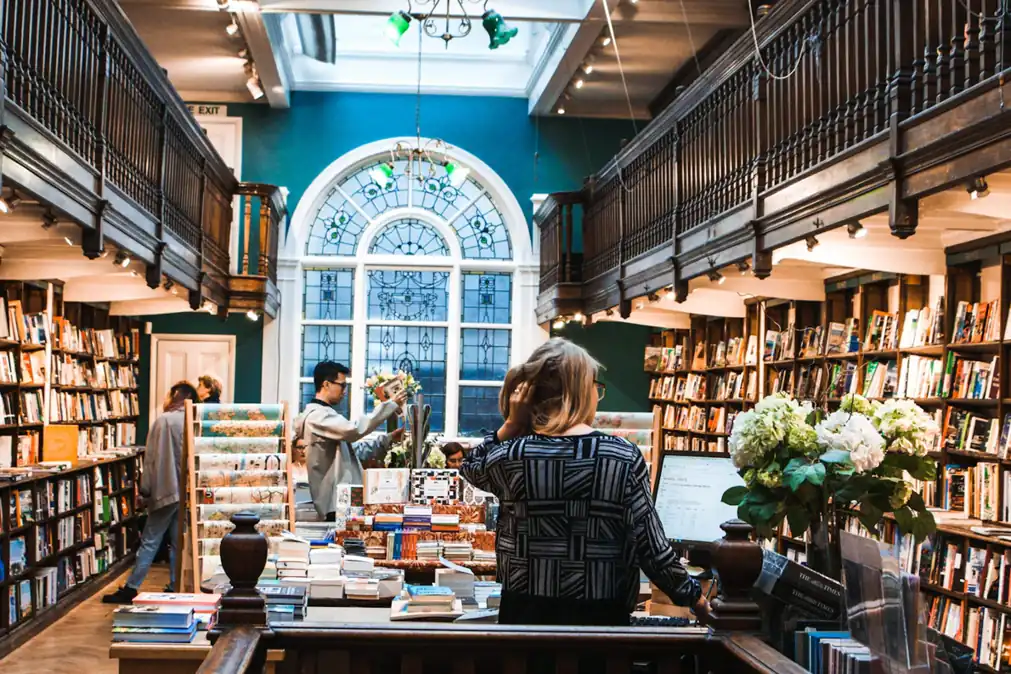
The attraction of a bookshop is partly the possibility of leaving with a book you did not know to search for. A table can put a new essay beside an older novel, while a handwritten recommendation explains why the pairing is interesting.
That act of selection gives the shop a point of view. A good browse makes room for a reader to follow it or head in another direction.
Notice the judgement behind the shelves
Bookshops also reveal the work of choosing what to keep. Space is limited, tastes differ and a catalogue is always larger than a room.
Ask about an unfamiliar publisher or an overlooked subject. A thoughtful answer is valuable even when it ends with an order for a title that is not on the shelf. The relationship depends on useful guidance rather than an expectation that every visit produces a purchase.
Make the visit part of the neighbourhood
An independent shop becomes familiar through small rituals: a lunchtime browse, an evening reading or a conversation about the book returned to after many years.
Check event access and opening hours before travelling. When a shop earns a place in an ordinary route, discovery stops feeling like an occasional treat and becomes part of how the neighbourhood is experienced.