On this page
An evening entrance needs its own attention
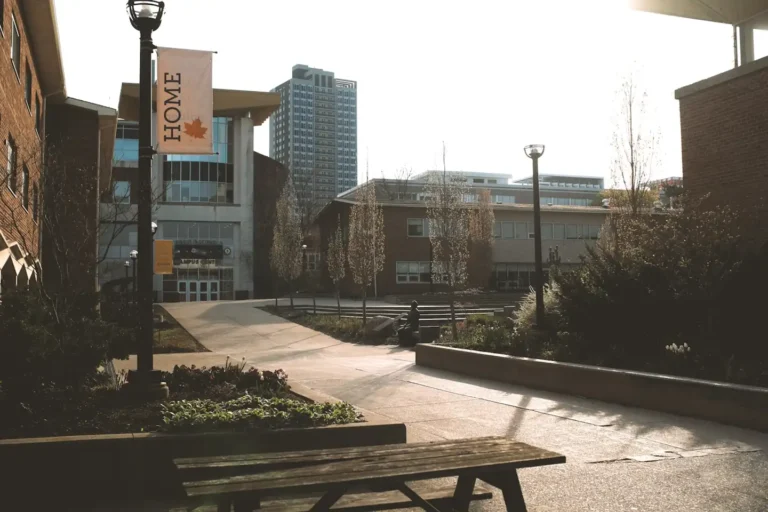
A building that feels obvious in daylight can become harder to approach after dark. Review lighting, signs and the route from nearby transport with the actual evening conditions in mind.
People should be able to tell which entrance is open and what is available inside. A welcoming window can make activity visible without requiring the whole room to become a display for the street.
Let different rhythms share the building
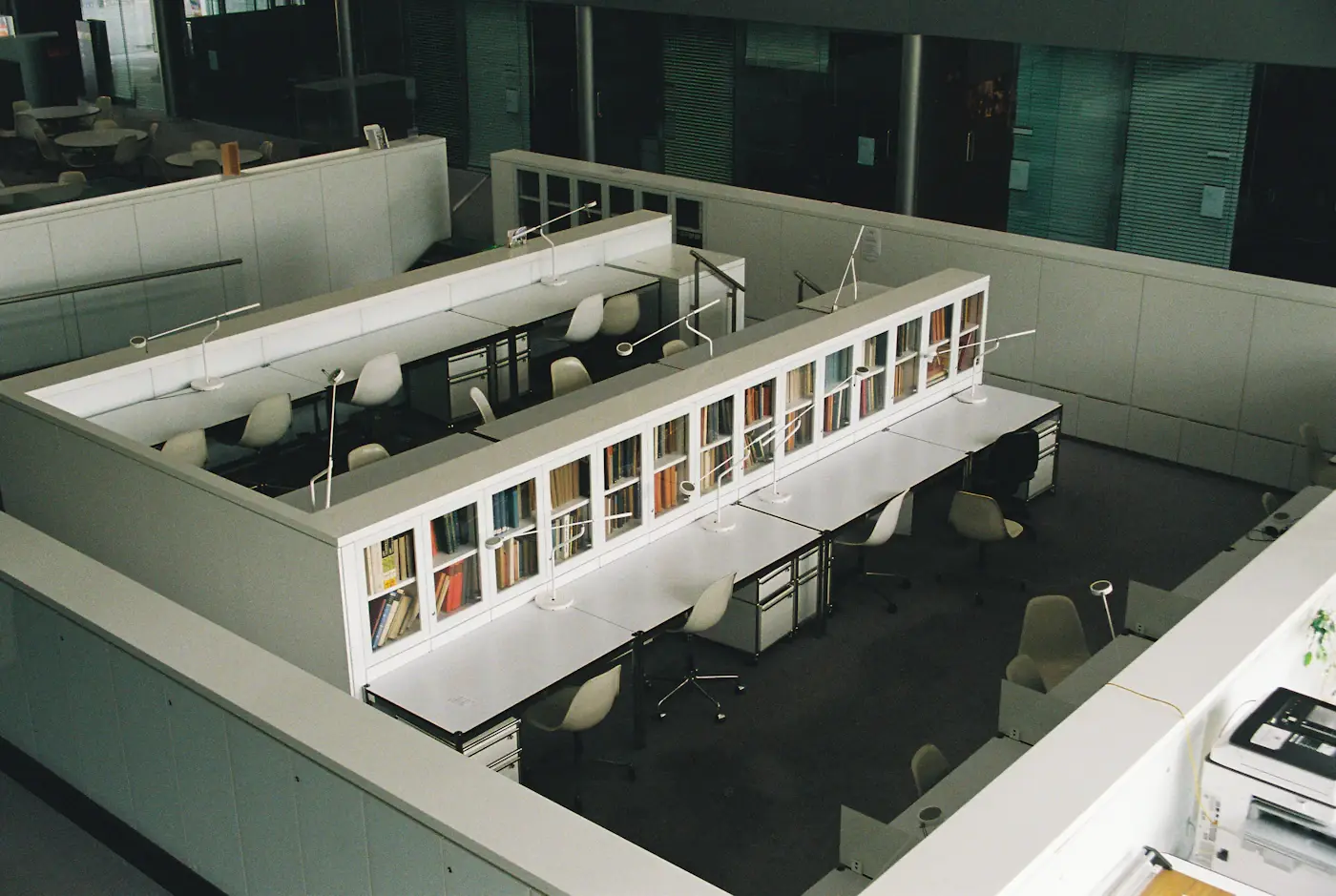
Some visitors want a quiet place to read, while others arrive for a talk or a group activity. Explain which areas serve each use and when the pattern changes.
Consider acoustics and circulation rather than relying entirely on signs asking people to be quiet. The evening library can offer variety while preserving a dependable place for someone who simply wants to sit with a book.
Make participation possible without a purchase
A library occupies a particular position among the places where people can spend time. Its public value includes the possibility of entering without having to buy something.
Keep the practical rules understandable and make help easy to find. A first visit should not depend on knowing an established group, possessing specialist equipment or already understanding the terminology of a programme.
Support the programme behind the opening hours
Later opening involves staffing, maintenance and coordination as well as a lit facade. Match ambitions to what can be run well.
Review who uses the building, which activities create a reason to return and who remains absent. An evening library becomes part of city life when its visible welcome is supported by a dependable and thoughtfully operated service.