Demo story. Sample content for the Pressline theme demonstration.
Begin at walking pace
A city is experienced through repeated journeys: taking a child to school, carrying shopping home or meeting a friend after work. Start an urban design conversation at that pace.
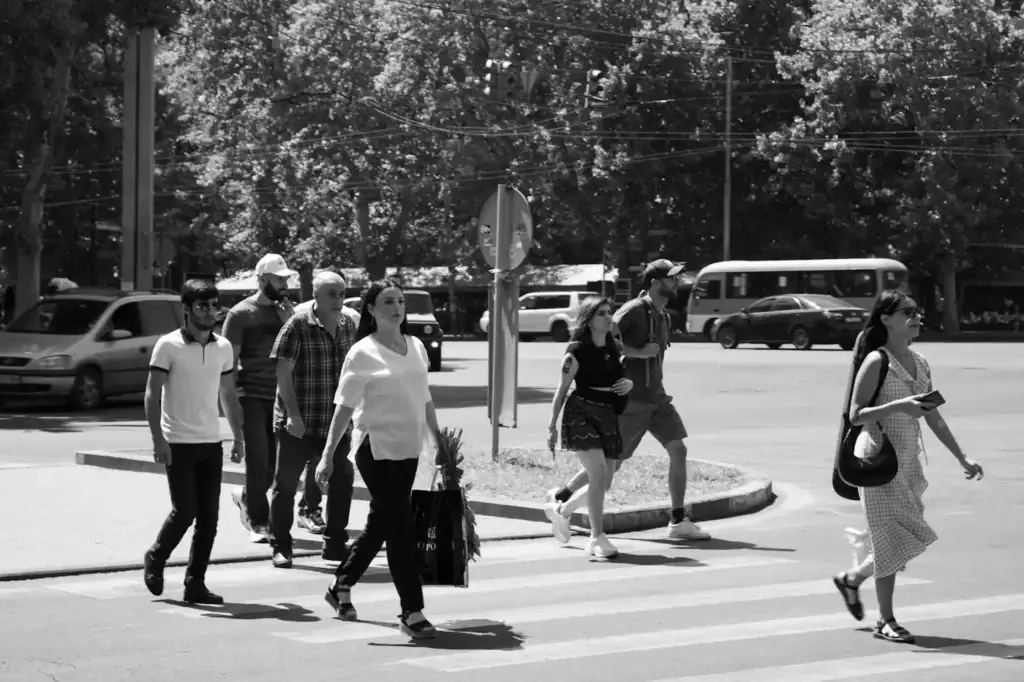
Look at where a pavement narrows, where the crossing feels indirect and where someone must stand while waiting. These details form the daily experience of a place more directly than its distant skyline.
Connect the small improvements
Individual improvements matter most when they join up. A shaded stretch of pavement is more useful when it connects to a safe crossing and a comfortable stop.
A new destination needs a legible entrance and routes that work from more than one direction. Follow several ordinary journeys with people whose needs differ, rather than treating an able, unencumbered commuter as the default citizen.
Return after the opening photograph
Opening day is only the beginning of the assessment. Visit after rain, during a delivery period and when the space is busy.
Notice repairs, obstructions and changes in use. Give local users an obvious way to describe what still causes difficulty. A better street is built through a sequence of practical decisions and the willingness to care for how those decisions work together.