Demo story. Sample content for the Pressline theme demonstration.
On this page
Generation is one part of the system
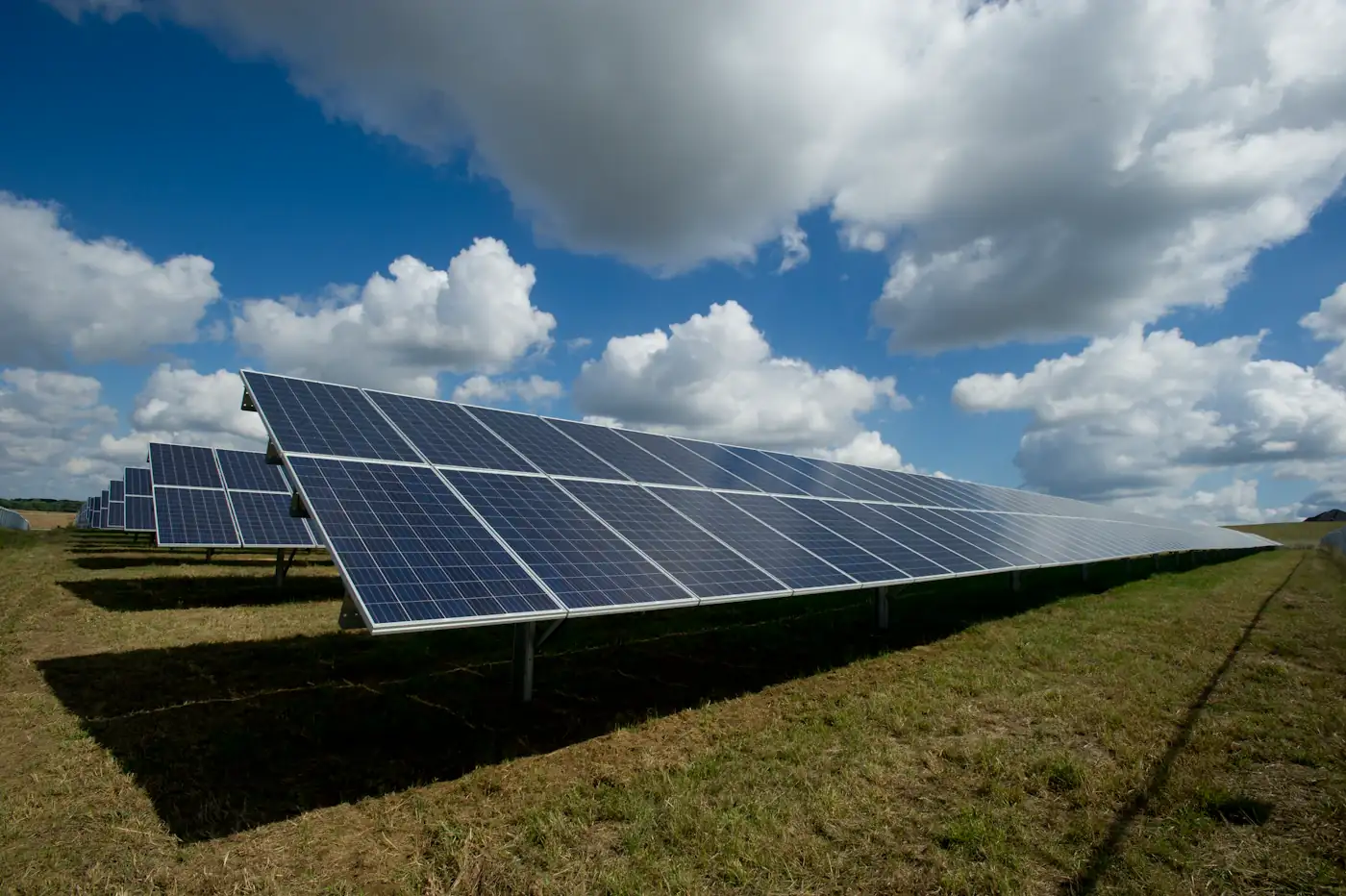
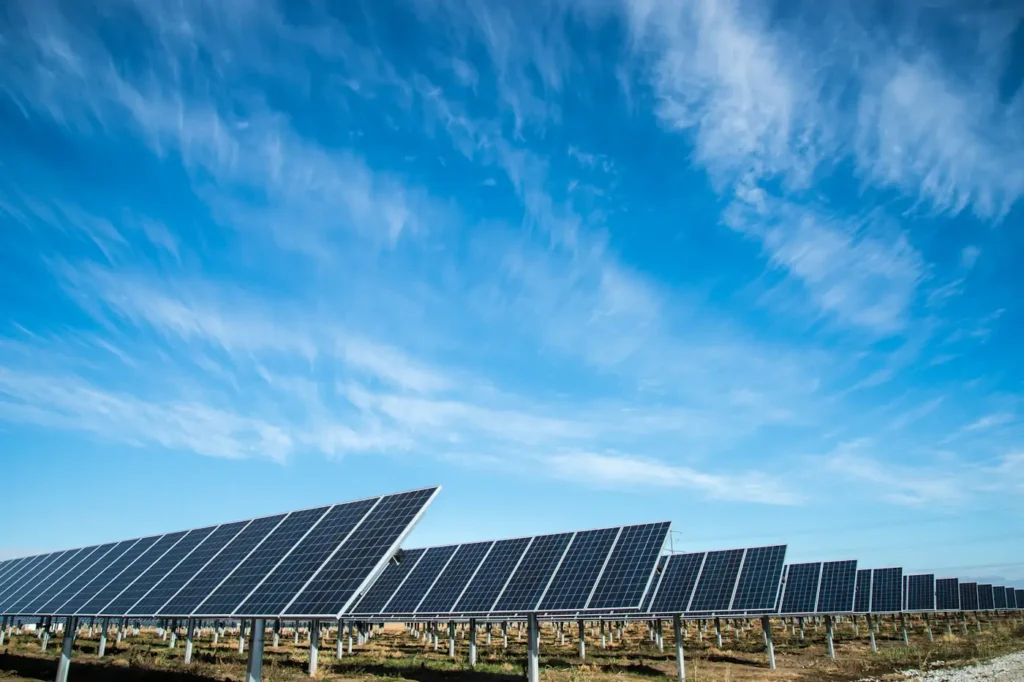
A photograph of solar panels or a wind turbine shows only one part of an energy system. Electricity also needs networks that carry it, equipment that balances supply and demand, and organisations that operate and maintain those services.
It helps to ask which part of that chain an announcement concerns. A new generating project and a network upgrade solve related but different problems.
Match the question to the timescale
Timing is central to the discussion. Solar output depends on daylight, while electricity demand follows its own daily and seasonal patterns.
Storage, flexible demand and connections between places can help address different kinds of mismatch, but they are not interchangeable answers to every question. Separate the need for a short adjustment from the need to plan for a longer period.
Look beyond the most visible equipment
Energy projects also involve land, materials, skills and maintenance. A useful explanation follows those practical relationships instead of treating a single technology as an entire transition.
Read a project description for its connections, operating assumptions and responsibilities as well as its headline capacity. The clearer story is about how several parts work together to provide a dependable service.