On this page
Separate the machine from the electricity service
A turbine converts energy in moving air into mechanical motion and electricity, but a generating machine is not an entire electricity service.
The output needs a connection, a route through the network and coordination with other supply and demand. Distinguishing these parts helps explain why a project announcement can concern a turbine, a transmission connection or an operating arrangement without describing the same achievement.
Read a project on more than one timescale
Wind varies, and the relevant question depends on the period being discussed. A momentary change, a daily pattern and a seasonal planning question need different kinds of information.
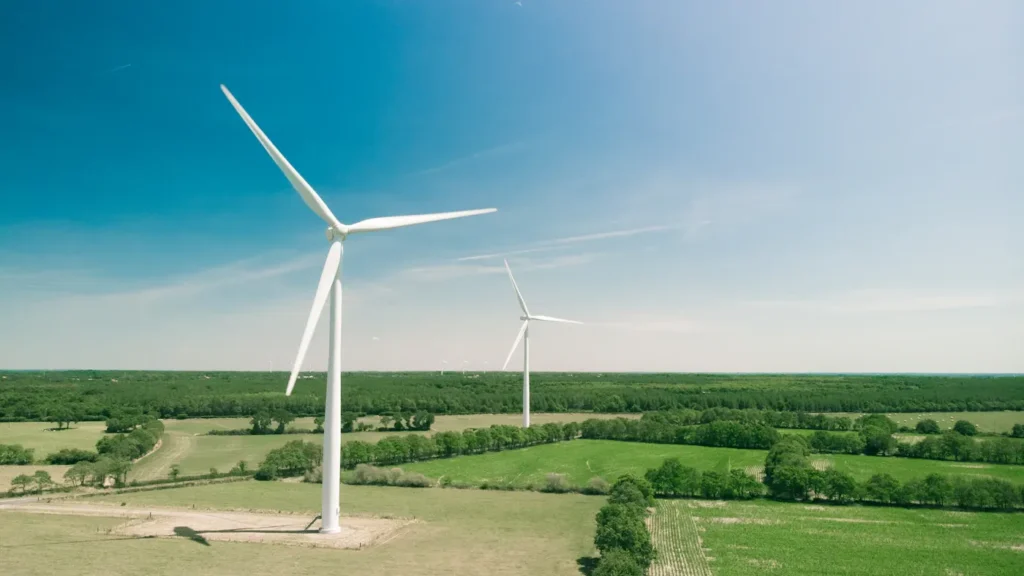
Nameplate capacity describes a rating, not a guarantee of constant output. A clear account explains what a number measures and avoids treating a photograph of a spinning rotor as a complete measure of performance.
Follow the work beyond construction
Operating a project requires inspections, maintenance, access and the availability of suitable skills and parts. Those activities belong in the story alongside construction.
The equipment must also connect with the practices of the electricity system around it. An explanation that follows only the installation of a turbine misses much of the work needed to keep a generating project useful.
Keep the local context in the explanation
Projects occupy particular places. Land use, neighbouring communities and environmental assessment shape the decisions that can be made.
Read a specific project through its published documents and relevant local process rather than assuming that one location provides an answer for every other. The more useful wind-power story is about a machine working within a network, a landscape and a continuing set of responsibilities.
Ask what each published number represents
Energy descriptions often place different kinds of numbers beside one another. A capacity rating, an amount generated over a period and a share of demand answer different questions.
Keep their units and time periods attached, and consult the underlying source before making a comparison. When those details are missing, the more accurate response is to say what is unknown. Clear language about measurement allows a reader to understand a project without needing every technical detail or accepting an impressive figure at face value.
Questions to take forward
- Distinguish a turbine rating from delivered output.
- Name the timescale behind an energy claim.
- Include operation, networks and local context.
| Measure | What it describes |
|---|---|
| Capacity | A rated generating capability |
| Generation | Energy produced during a stated period |
| Availability | Whether equipment can operate under the stated conditions |