On this page
Plan a route that leaves room to arrive
A useful itinerary includes the time between connections as well as the trains themselves. A transfer may involve a different platform, a walk through a large station or a change to another local service.
Leave enough room for the conditions of the trip and the people travelling. A theoretically short connection can be a poor choice when it depends on an unfamiliar station and several bags.
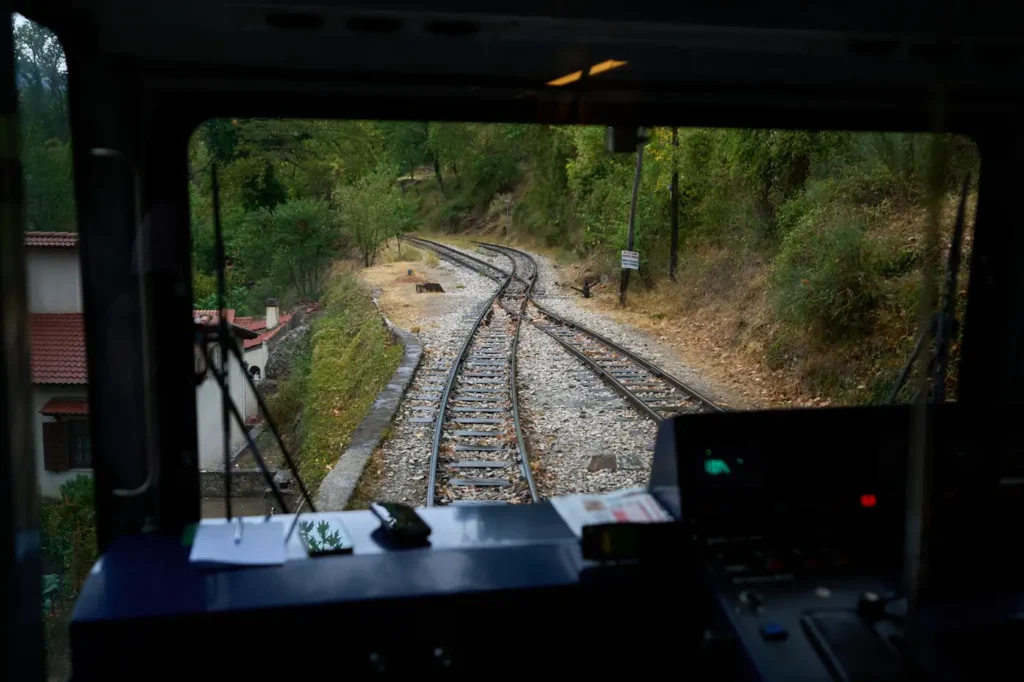
Think beyond the station name
The station is not always the destination. Check the onward route, the distance to accommodation and the availability of local transport at the relevant hour.
The same journey may feel very different when it ends at midday rather than late in the evening. Giving the last part of the trip a clear shape helps the day begin or end with less unnecessary uncertainty.
Use the journey as a way of reading a landscape
A window can make visible the relationships between settlements, fields, industrial areas and rivers. Instead of trying to photograph every view, choose a stretch to observe.
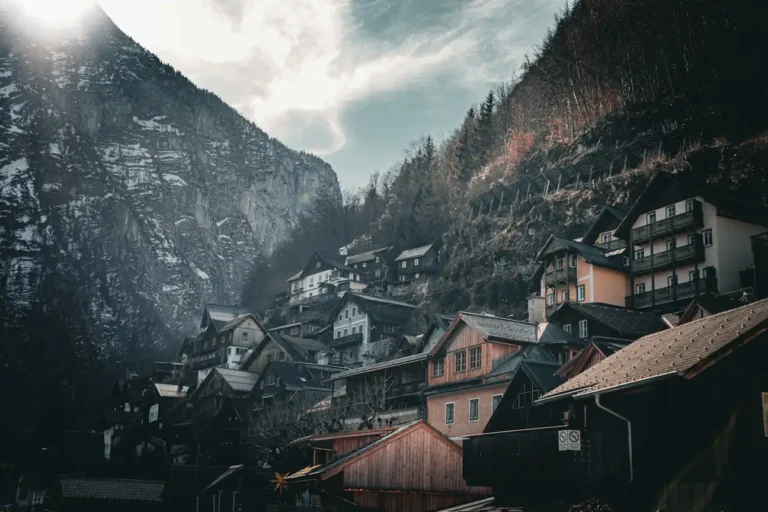
Note how buildings gather around stations or how a landscape changes along a valley. The journey offers a sequence rather than a single postcard image, and that sequence can enrich the understanding of the place being visited.
Keep the practical information current
Timetables, engineering work, ticket conditions and luggage arrangements change. Confirm them with the relevant operator close to travel rather than relying on a saved screenshot from an old plan.
Keep essential information accessible during the journey. Treating the train as part of the trip means allowing both the landscape and the practical connections to receive attention.
Keep a route notebook rather than a checklist
A few notes can preserve the character of a journey without making the trip feel like a task. Record a station name, an unfamiliar landscape feature or a question to look up later.
Include the circumstances: the direction of travel, the weather or the time of day. These details help distinguish a useful memory from an impression that becomes more certain in the retelling. The record can remain private and incomplete; its purpose is to support attention rather than provide a performance for an audience.
Questions to take forward
- Include transfer time and the onward journey.
- Observe a route as a sequence of places.
- Recheck operator information before travelling.