On this page
Begin with the conditions of the day
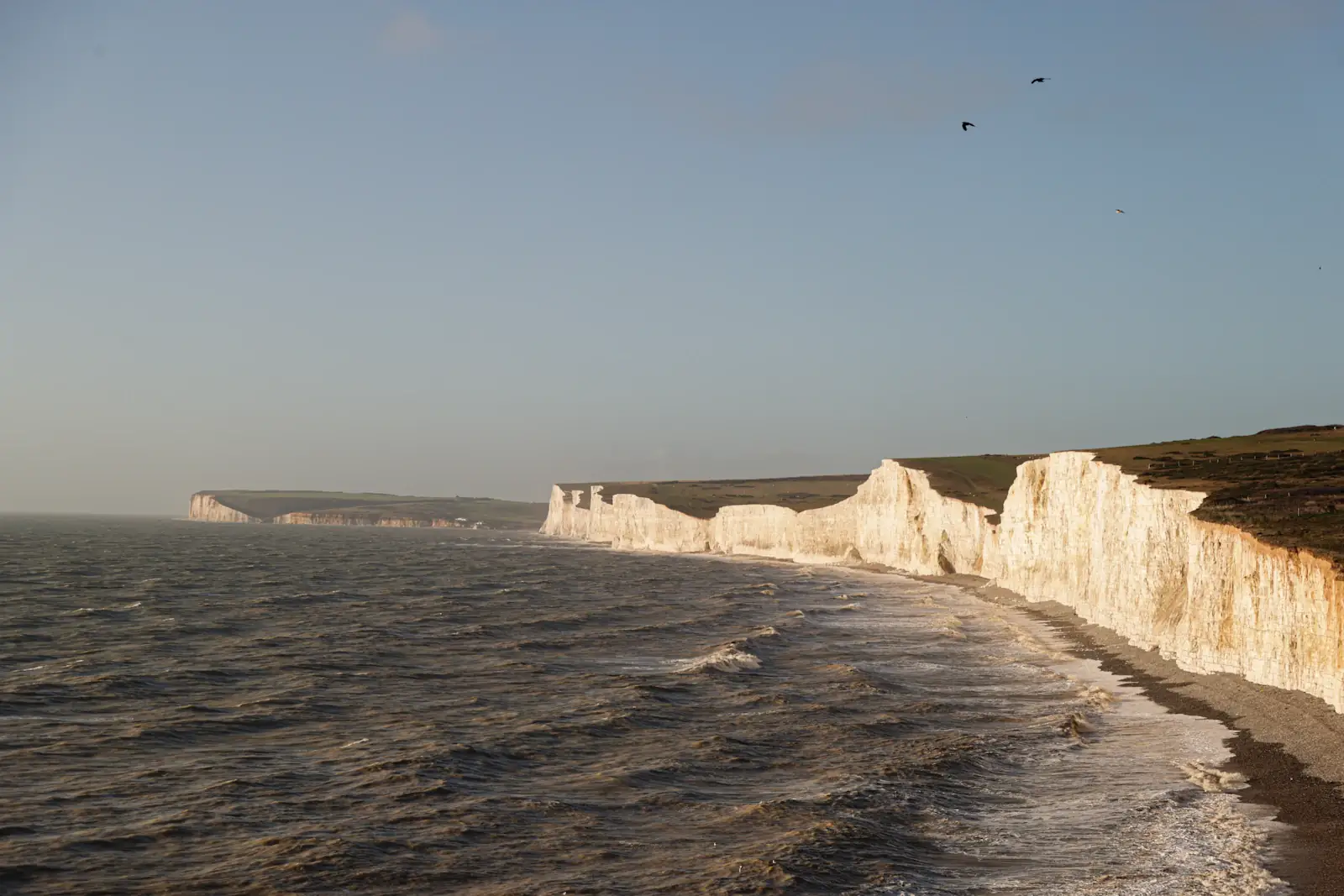
A coastal route needs to be understood through current local information. Weather, tides, access and path conditions can change what is appropriate.
Choose an established route that suits the group and avoid treating a photograph as evidence that an exposed place is accessible. A well-chosen ordinary path can provide more opportunity to notice the landscape than an ambitious route that demands all of the walker’s attention.
Look for relationships rather than isolated objects
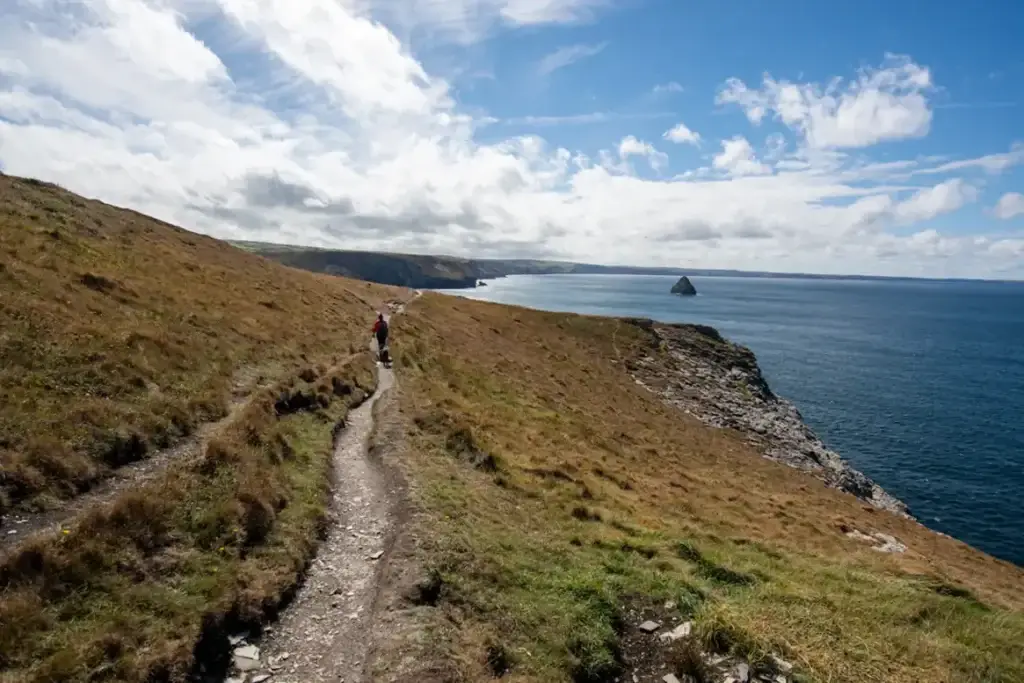
Notice how vegetation, buildings and paths respond to the edge of the water. A sheltered corner may have a different character from an open headland only a short distance away.
Describe what is visible before deciding what caused it. A field guide or a local interpretation panel can help develop a question, but it need not replace the experience of looking carefully at the place itself.
Let the route show more than one scale
A wide horizon and a small detail can belong to the same walk. Pause where it is appropriate to notice texture, colour and the way material collects along a route.
Keep living things and the surrounding habitat undisturbed. The interest is in understanding relationships, not collecting an object from every place that seems unusual.
Keep uncertainty in the record
A photograph may preserve a question without answering it. Note the date, conditions and location accurately enough to return to a reference later.
Avoid turning an uncertain identification into a confident caption. A walk becomes a useful form of observation when the memory includes what was not understood as well as the view that first caught attention.