Demo story. Sample content for the Pressline theme demonstration.
On this page
Begin with the sky you can see
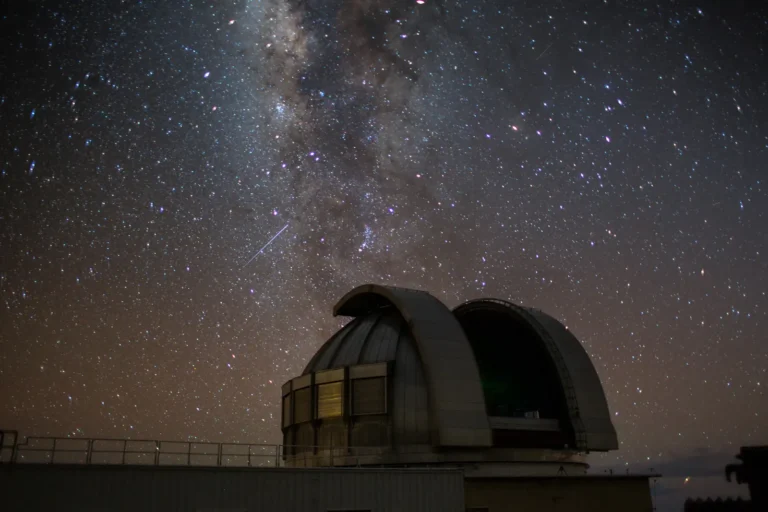
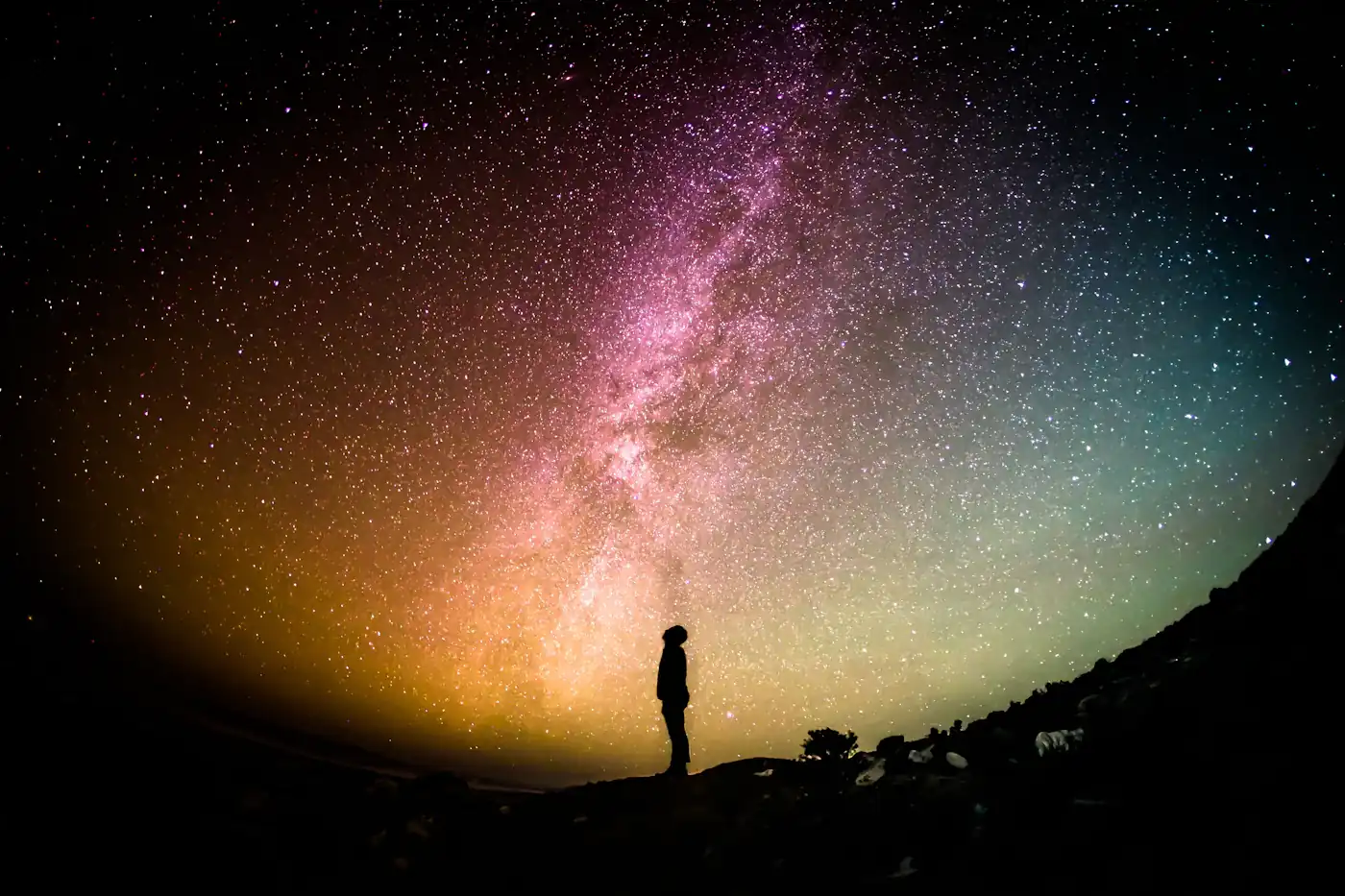
The night sky does not require an ambitious itinerary to become interesting. Start from a familiar, accessible place and notice how the view changes with the season and the hour.
Buildings, trees and artificial light shape what is visible. A limited view can still offer a useful point of reference, especially when the same patch of sky is revisited over time.
Use a reference without turning the visit into a test
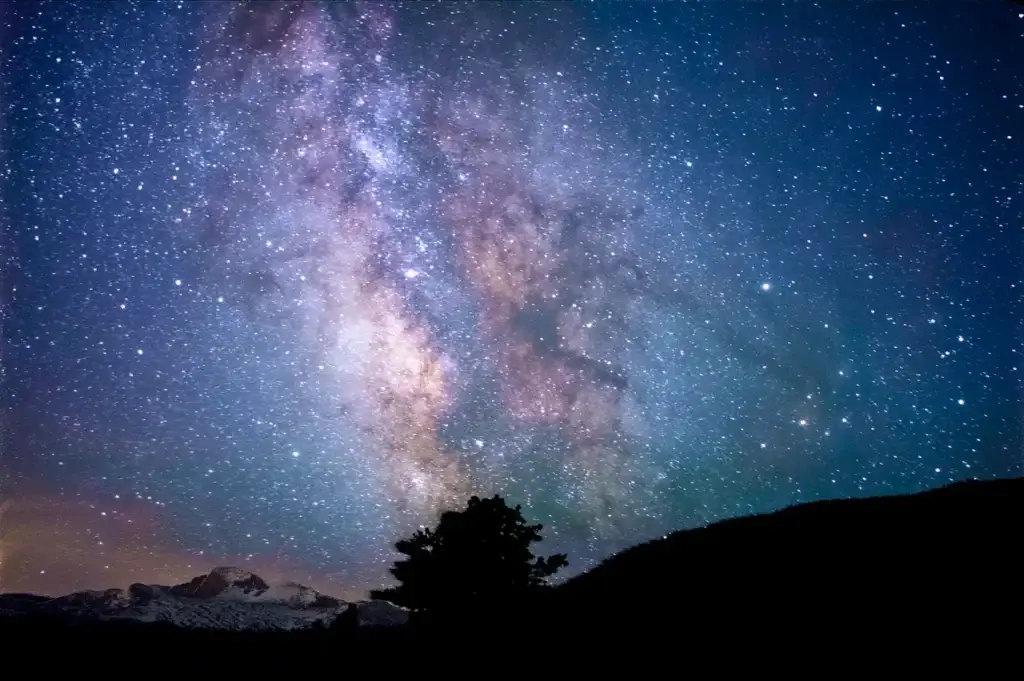
A star chart can help connect a bright point with a name, but it need not turn an evening into a search for everything on a list. Learn one recognisable pattern and look for how it changes position.
Use a dim screen sparingly so that looking up remains the main activity. Choose a suitable place to stop without entering unfamiliar or restricted ground after dark.
Keep the conditions in the record
Cloud, haze and surrounding light affect each visit. Record the date, approximate time and conditions alongside what was seen.
A missed view is part of observation rather than a failed outing. The interest lies in returning with a little more familiarity, and in noticing how much of the world above an ordinary street is usually passed without attention.