Demo story. Sample content for the Pressline theme demonstration.
On this page
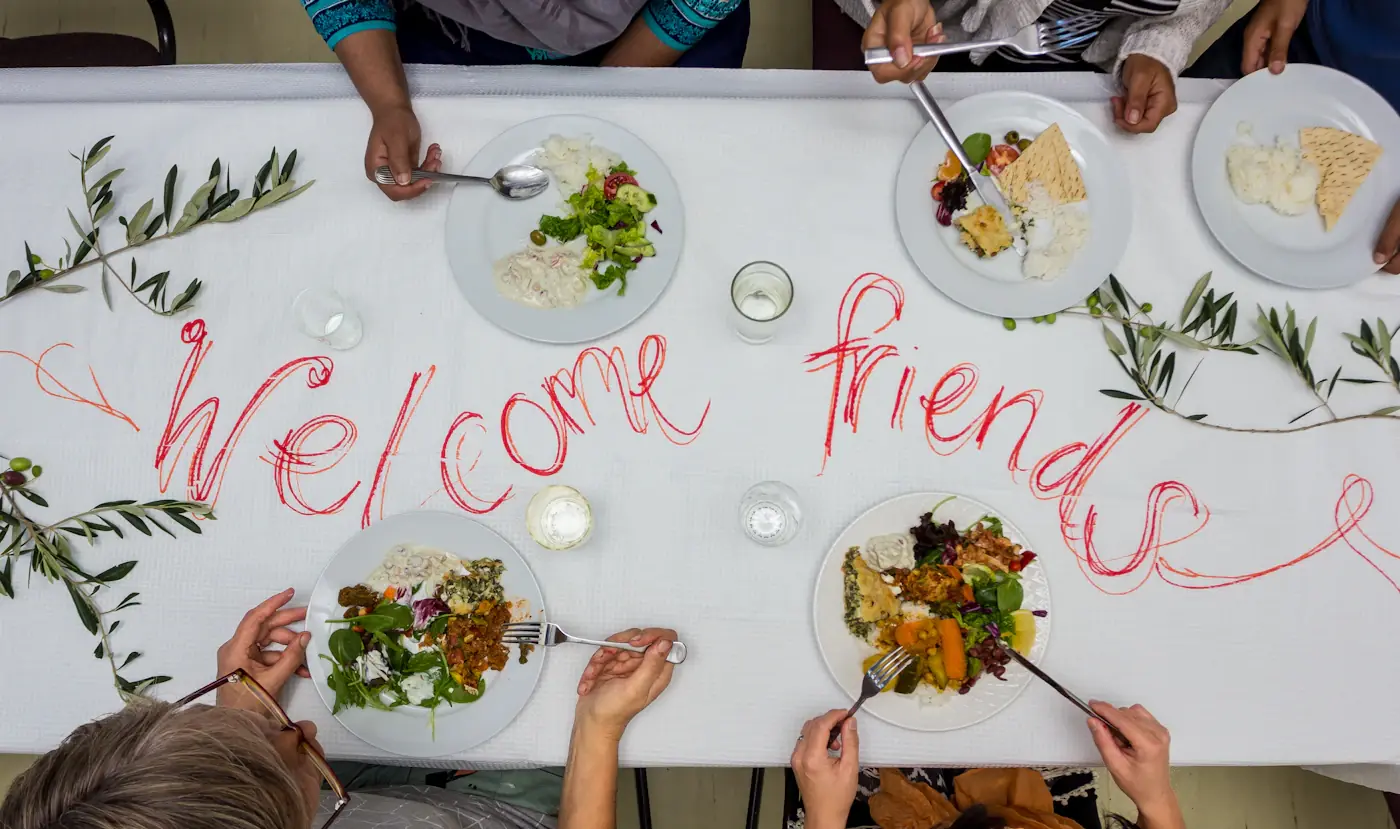
The invitation starts before the meal
A shared meal begins with an invitation that people can understand. Give the time, place, likely duration and what guests are expected to bring.
Ask about food requirements without making anyone explain a personal history. An affordable, accessible gathering can be small and informal; its welcome depends more on clarity than on the ambition of the menu.
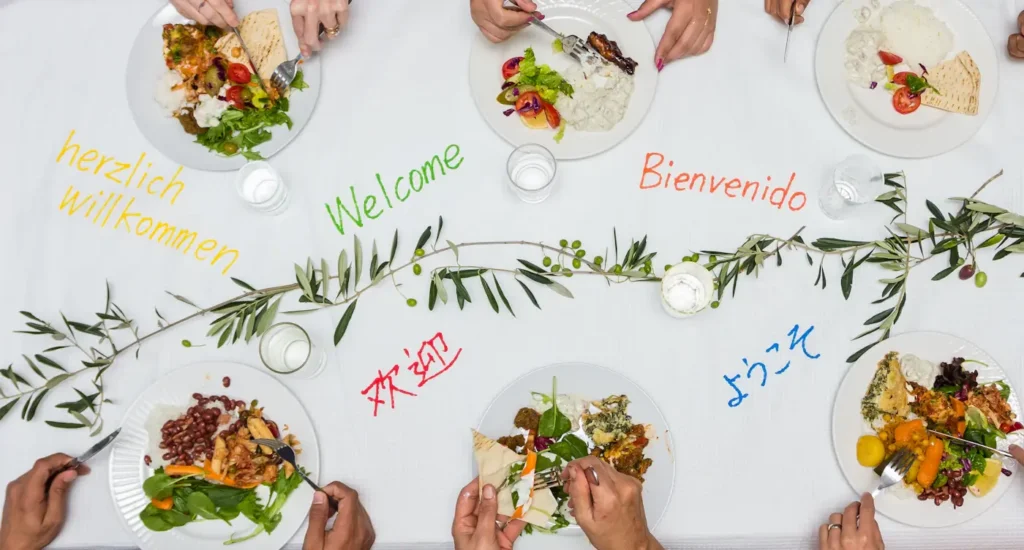
Let the table support different ways of joining
The table can create conversation, but it should not require a performance. Introduce people through a shared interest, leave room for quiet participation and make ordinary tasks easy to join.
Preparing, serving and clearing away can offer ways to contribute beyond speaking to the whole group. A host can help by noticing who needs a seat, a quieter spot or a clear explanation of what happens next.
Make the next gathering easier
Afterwards, keep the useful details.
Which quantities worked, where did the room become crowded, and what made a newcomer feel included? Share the work of organising the next occasion so that hospitality does not depend on one exhausted person. A regular table grows through small adjustments that make returning feel possible for guests and hosts alike.