A second life for old buildings starts with what remains
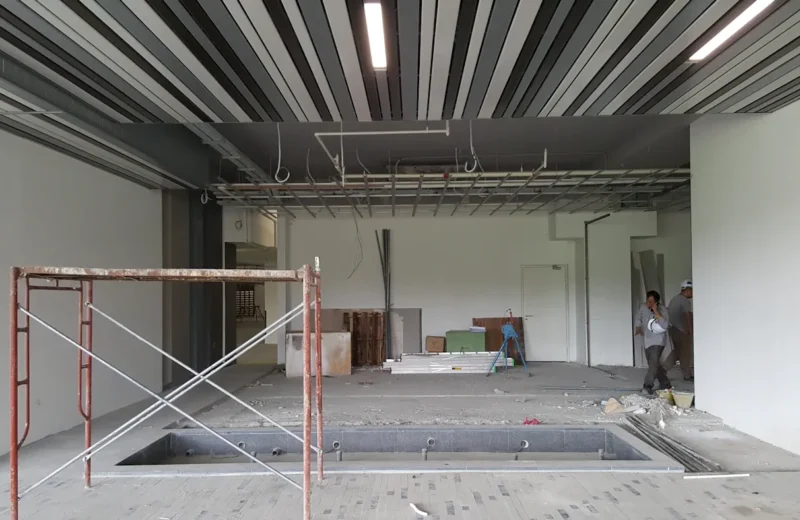
Reusing a building begins with understanding it. Structure, previous alterations, daylight and the surrounding street all help determine which new uses might fit.

Original perspectives on business, technology, culture and the places we share. Published by AppCart.
Reusing a building begins with understanding it. Structure, previous alterations, daylight and the surrounding street all help determine which new uses might fit.
An independent shop cannot stock everything. Its opportunity is to make selection, advice and the experience of returning feel useful enough that unlimited choice is no longer the point.
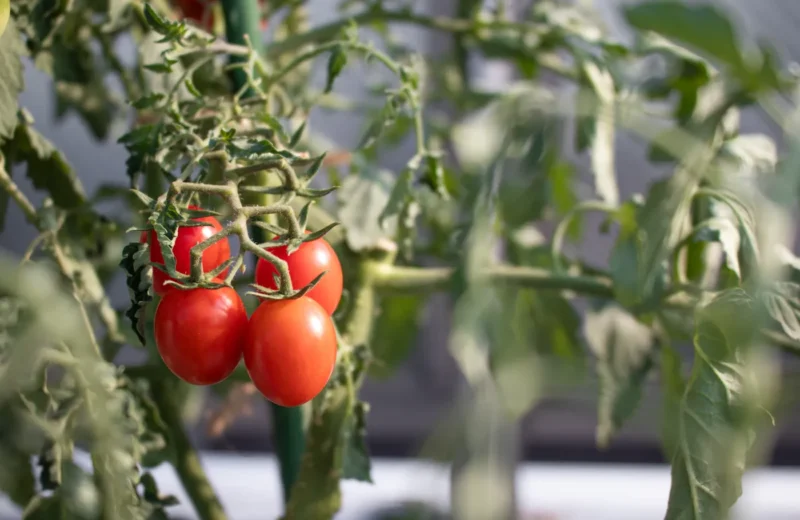
A rooftop can offer another way to use space, but a successful garden starts with the building, access and the people who will care for it through changing seasons.
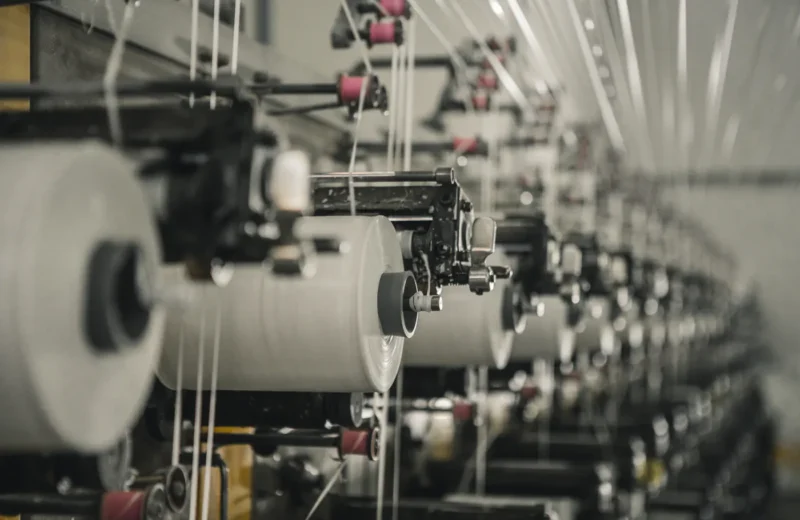
A garment is the result of many linked decisions. Looking at fabric, construction, fit and care offers a more useful perspective than judging an item only by its first appearance.
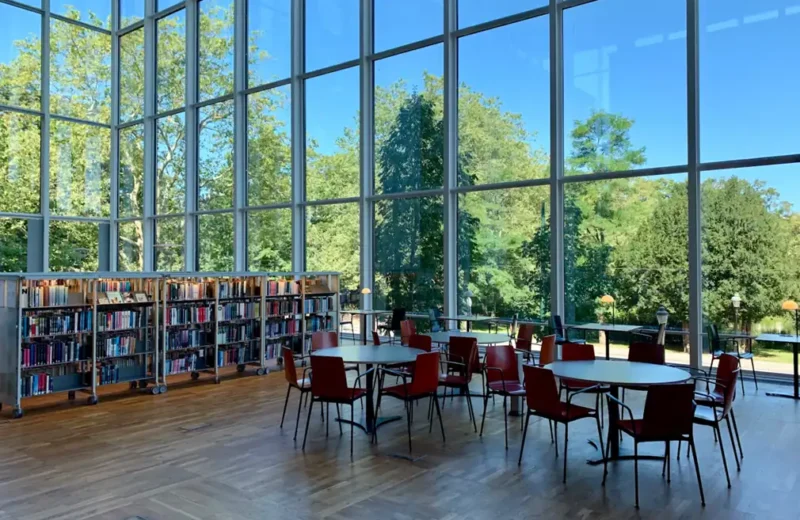
A library can support reading and the work that grows from it: a question, a conversation, a drawing or a first attempt at a project. The room and its routines should make those possibilities understandable.
Travel planning often treats the journey as an interval to get through. A railway route can become part of the experience when its connections and practical details are given enough attention.