Demo story. Sample content for the Pressline theme demonstration.
On this page
Ask what will need to be repaired
Durability is easier to discuss when repair is part of the design conversation.
What is likely to wear first, can it be reached, and who could replace it? These questions apply to a chair, a website and a neighbourhood project in different ways. A polished opening day says little about the effort required to keep something useful over several years.
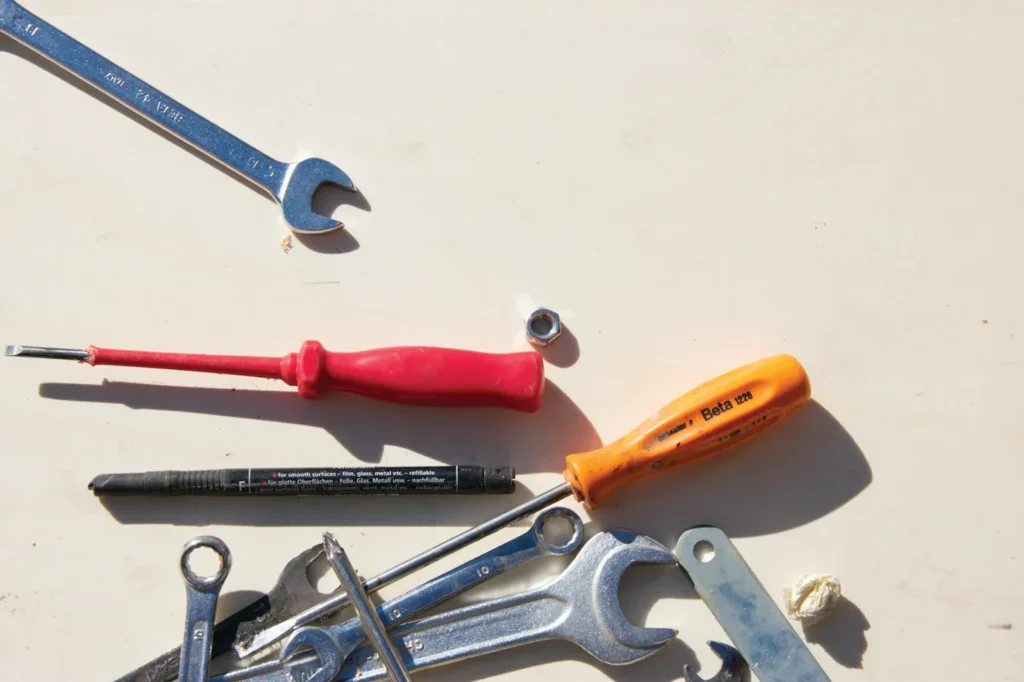
Choose understandable parts and relationships
Understandable construction gives future care a chance. Keep records of materials, decisions and dependencies.
Avoid an unnecessary special component when an ordinary one will do the job, but recognise when a particular detail earns its place. A durable solution is not always the heaviest or simplest-looking one; it is one whose weak points and responsibilities have been considered.
Let the object improve through use
Use produces information that a drawing or specification cannot fully anticipate. A worn edge may reveal a recurring movement, while a frequently bypassed feature may not deserve another version.
Make repairs and adjustments part of the record. Building something that lasts means allowing it to be cared for and, when necessary, changed without losing the qualities that made it useful.