Demo story. Sample content for the Pressline theme demonstration.
On this page
Choose one small thing to look at closely
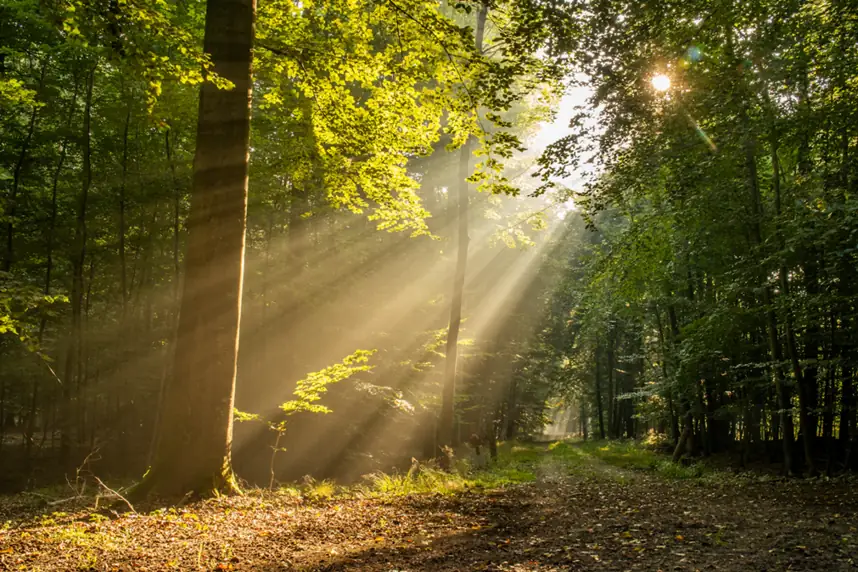
A walk becomes a different experience when it has a small question attached. Look at the pattern of bark on one tree, the plants growing beside a wall or the way light changes under a canopy.
The subject does not need to be rare. Familiar things offer the advantage of being available for another look when the first observation produces a question.
Allow a description to remain incomplete
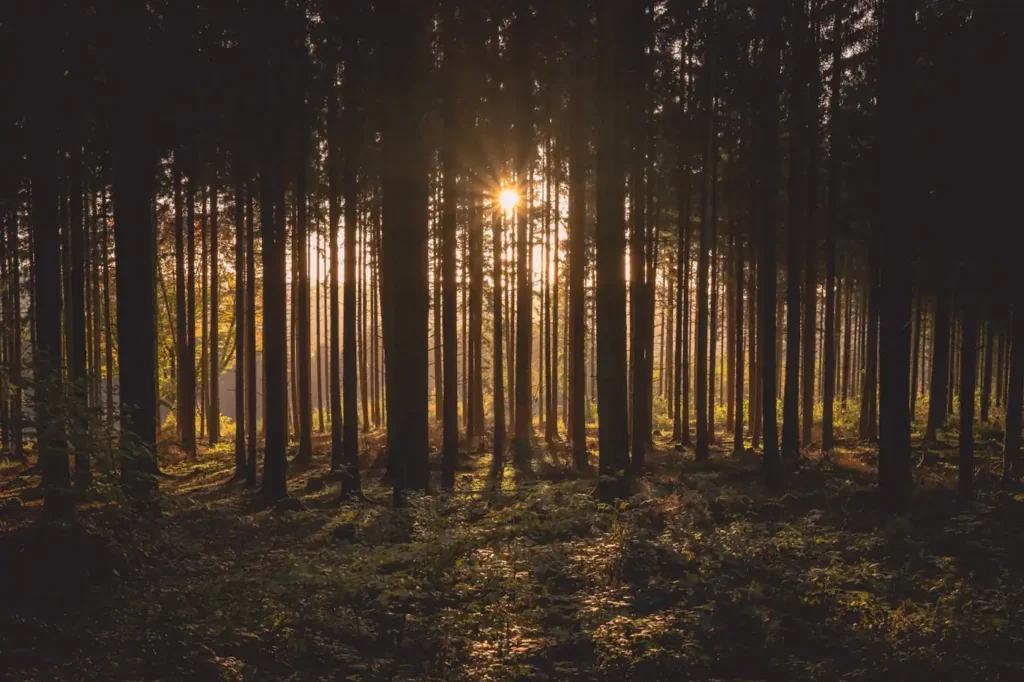
Describe shape, colour, position and surrounding conditions before reaching for a name. A photograph can help, but it does not replace looking from another angle or noticing what is outside the frame.
Leave an identification uncertain when the evidence is incomplete. Wonder survives a missing label; an overconfident answer can close a question before it has become interesting.
Make a return visit part of the plan
Return at another time or in different weather. Compare notes and consult a dependable field guide or educational resource when appropriate.
Stay on suitable paths and leave living things where they are. The habit is a modest one: giving an ordinary detail enough attention that it stops being background and becomes part of a world worth understanding.