On this page
Follow the complete consignment
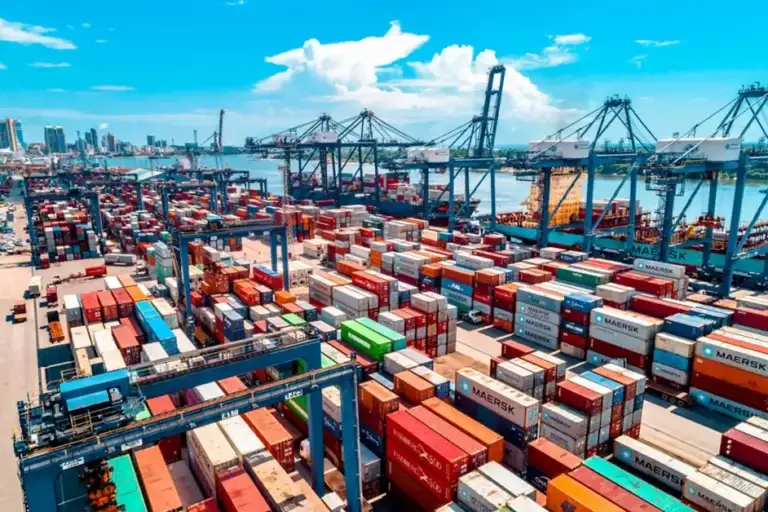
Start with what needs to move and where the journey begins and ends. Rail may connect with road transport, storage and a terminal process.
Each transition creates requirements for time, equipment and information. Understanding those links gives a more useful picture than describing the train as if it were the entire journey.
Make time commitments understandable
Different stages of a logistics service may operate to different rhythms. A dependable plan explains when a consignment must be ready and what happens if an earlier stage changes.
Keep the assumptions visible. A headline transit time tells only part of the story when the transfer into or out of a terminal has not been included.
Keep identity and status aligned
The item, its recorded identity and its location need to remain connected.
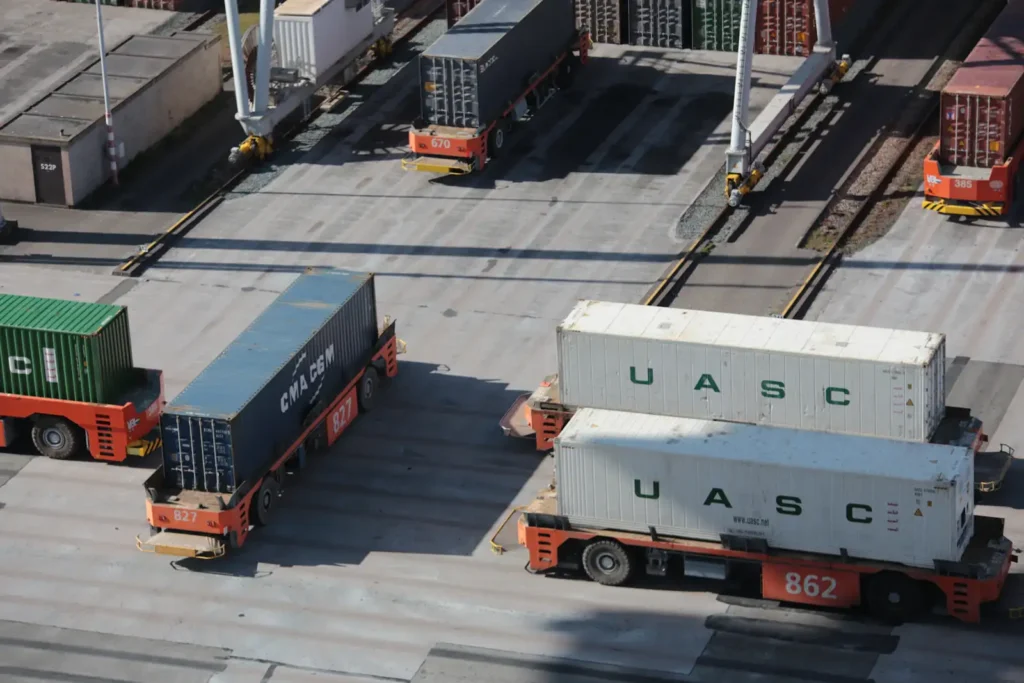
A status update should describe an event that has actually occurred and be available to the people making the next decision. Clear information can reduce uncertainty at a handover without pretending that a display on a screen replaces the physical work.
Use disruption to improve the plan
When a journey does not follow its expected path, record where the mismatch began and which information would have helped.
Distinguish recurring process issues from an unusual event. A stronger freight service emerges from understanding the whole chain, including the parts least visible in a photograph of the railway.