On this page
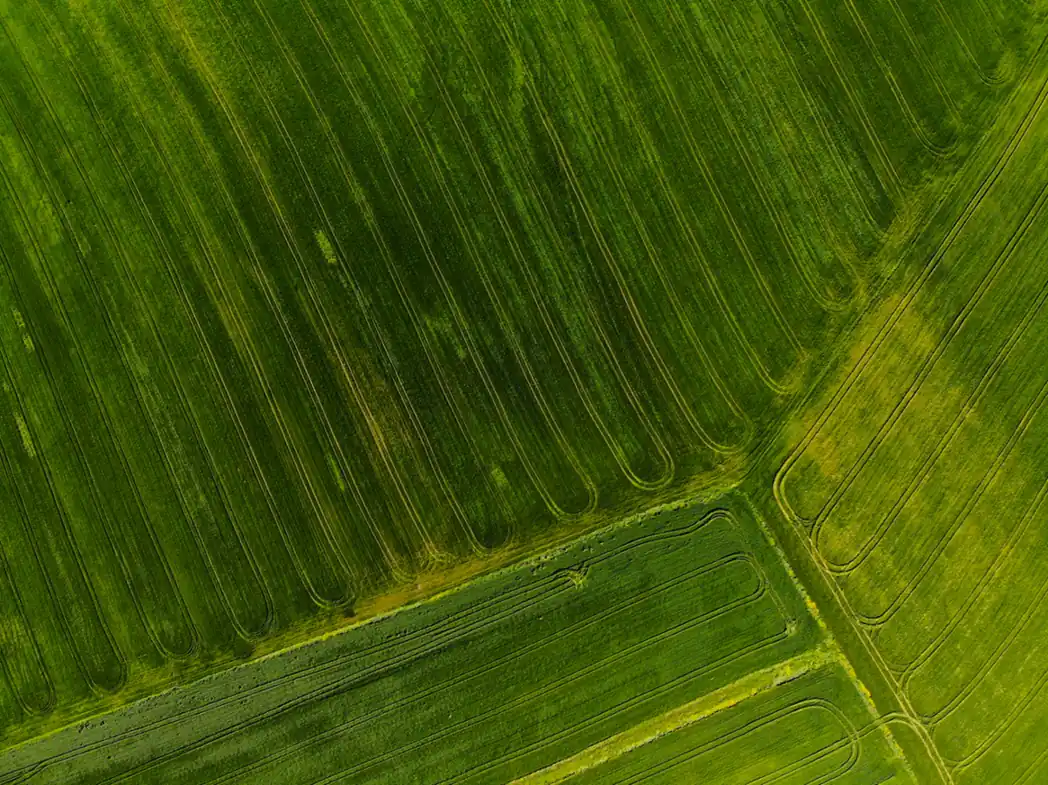
Begin with a description of what is visible
Notice boundaries, routes and the relationship between cultivated areas and surrounding features. Describe the pattern before assigning a reason to it.
A photograph captures one period and one viewpoint. It cannot by itself establish how a farm operates, what its long-term results are or which decisions shaped the arrangement.
Keep the season in the account
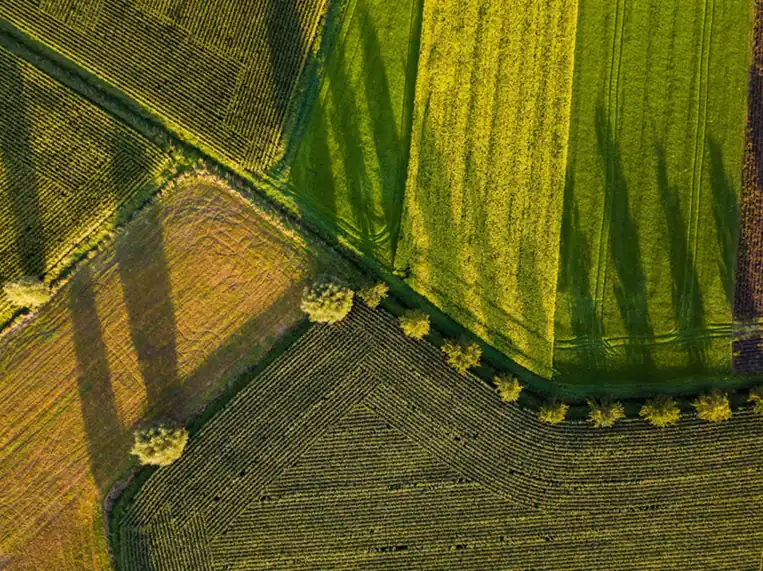
The appearance of a field changes through the production cycle and with local conditions. Information about the place and period helps a reader interpret what is shown.
Avoid treating a single lush view as a general statement about performance. The story becomes more useful when the image is connected with specific, dependable context.
Follow the practical relationships
Access, equipment, water management and the movement of material all influence the work of a farm.
The relevant choices depend on the particular operation and appropriate agricultural expertise. An explanation should identify those relationships without turning a beautiful pattern into a universal recommendation for how land ought to be managed.
Let evidence deepen the visual story
A compelling image can be the beginning of a question.
Look for relevant local information and distinguish a documented account from an interpretation. The aim is not to remove the appeal of the landscape, but to give it a clearer connection with the work and decisions that take place beyond the frame.