On this page
A point of view makes a range legible
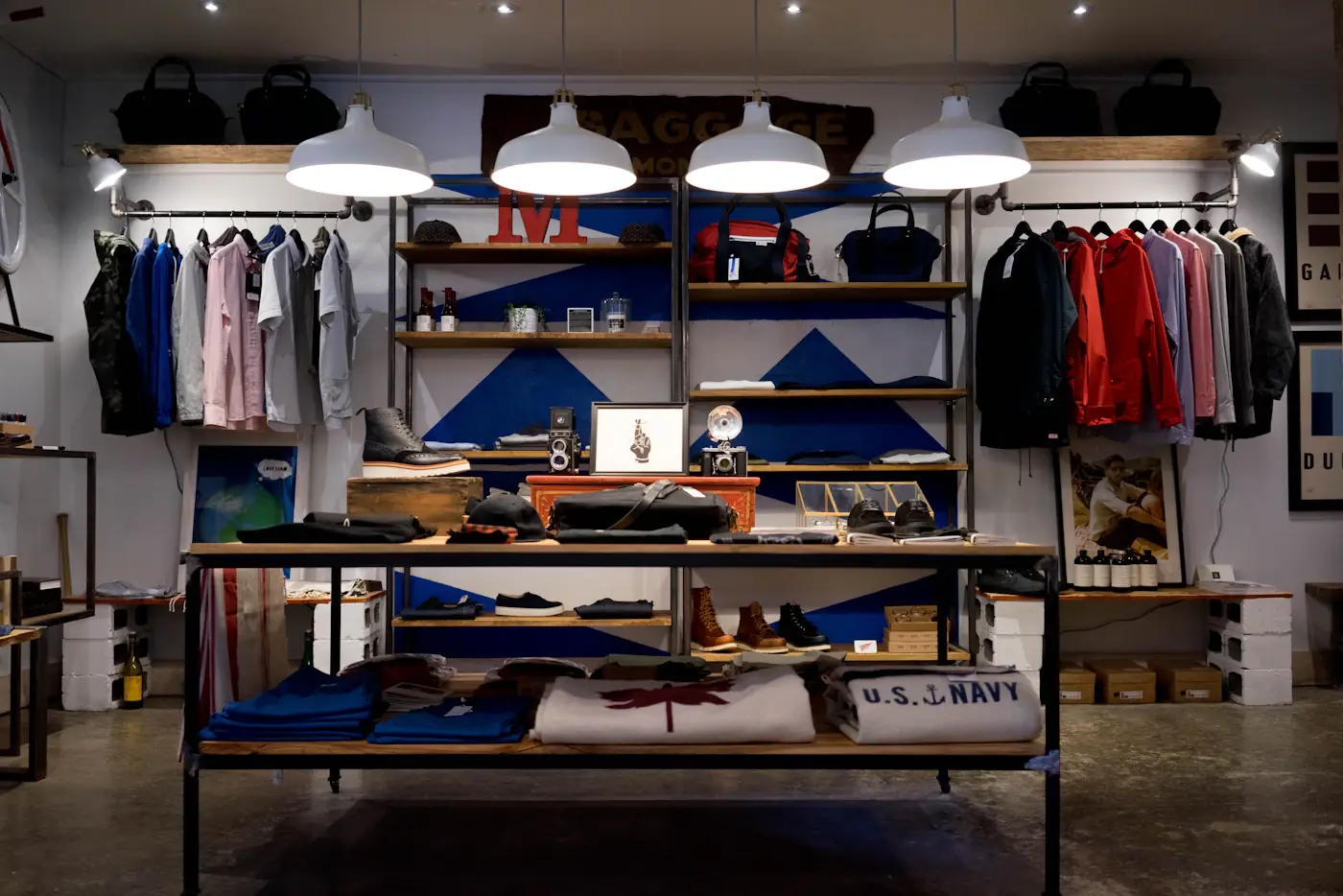
A smaller range becomes an advantage when the choices make sense together. Explain what the shop specialises in and why particular products have been selected.
A customer should be able to understand the offer without knowing the owner's background. Displays, labels and the arrangement of the room can make those decisions visible, turning browsing into a more focused and less tiring experience.

Advice should help a decision
Useful advice begins with the customer's purpose. Ask what an item needs to do, what has been difficult before and which constraints matter.
Sometimes the best answer is a simpler product, a repair or an explanation of why the shop does not have the right thing. A lasting relationship depends on the quality of that judgement, not on making every conversation end at the till.
The street and the screen need to agree
Customers often meet a shop online before entering it. Opening hours, access information and the description of available services should match the physical visit.
If online stock is uncertain, explain how to check it. A modest website with accurate information can serve a customer better than an elaborate one that creates a misleading expectation.
A repeat visit starts with the first one
The first visit teaches people whether returning will be easy. Keep purchase information clear, explain aftercare and make it straightforward to ask a later question.
Notice the recurring requests that the current range does not meet. Independent retail becomes distinctive through the relationship between a considered selection and a dependable everyday service.
Let a small experiment answer a specific question
A shop can test a change without redesigning the entire room. Try one revised display, a clearer service description or a different way of introducing a product category.
Decide what you want to learn and give the experiment enough time to encounter ordinary trading conditions. Ask staff what questions customers still bring to the counter. A test is useful when it changes understanding, even if the result is to keep the previous arrangement and improve the information around it.
Questions to take forward
- Make the reason behind the range visible.
- Offer advice around the customer’s purpose.
- Keep online information aligned with the visit.
| Touchpoint | A useful question |
|---|---|
| Website | Do the hours and service details match the visit? |
| Counter | Can the customer explain what they need? |
| After purchase | Is the route for aftercare understandable? |