On this page
Begin with the next required movement
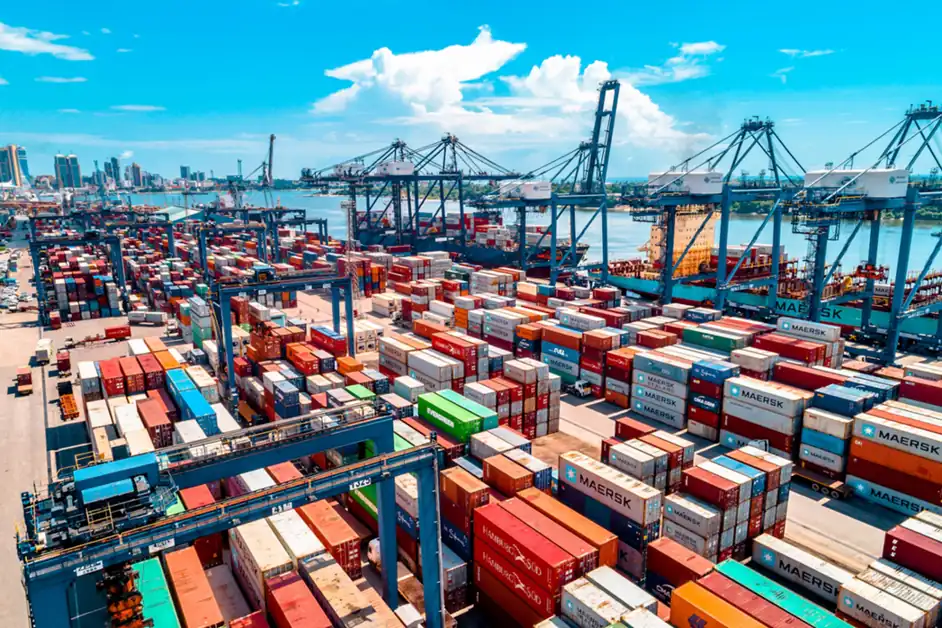
A container occupies a place in a larger journey.
The useful question is what must happen next, what is known about the consignment and which other activities the movement depends on. A port is a coordinated environment, not simply an open space in which each piece of equipment works independently.
Treat the recorded information as part of the operation
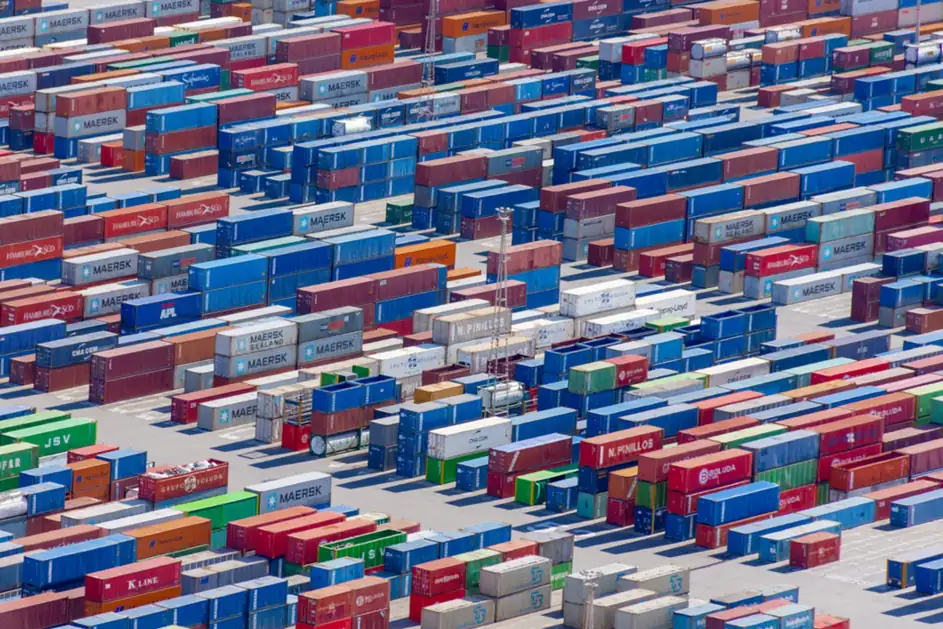
Identity, location and handling information need to agree with the work on the ground. Keep responsibility for updates clear.
A record that looks complete but describes an earlier situation can create confusion at the next stage. The information system is useful when it supports decisions rather than merely accumulating events.
Include the edge of the terminal
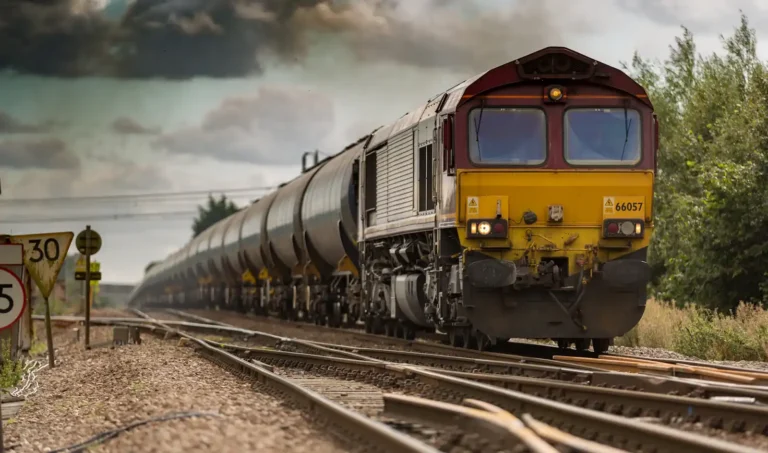
The journey continues beyond the quay. Connections with road or rail, access arrangements and the timing of the next service all belong in the picture.
A local improvement should be assessed in relation to those surrounding links. Moving one stage faster does not necessarily improve a consignment’s complete journey.
Let the explanation show the people behind the system
Planning, equipment operation and maintenance require different skills.
Describe those roles accurately instead of treating the port as a machine that runs without judgement. A clearer account of the work gives the scale of the infrastructure a human context and makes the dependencies behind an ordinary delivery easier to understand.