Demo story. Sample content for the Pressline theme demonstration.
On this page
Read the street at different hours
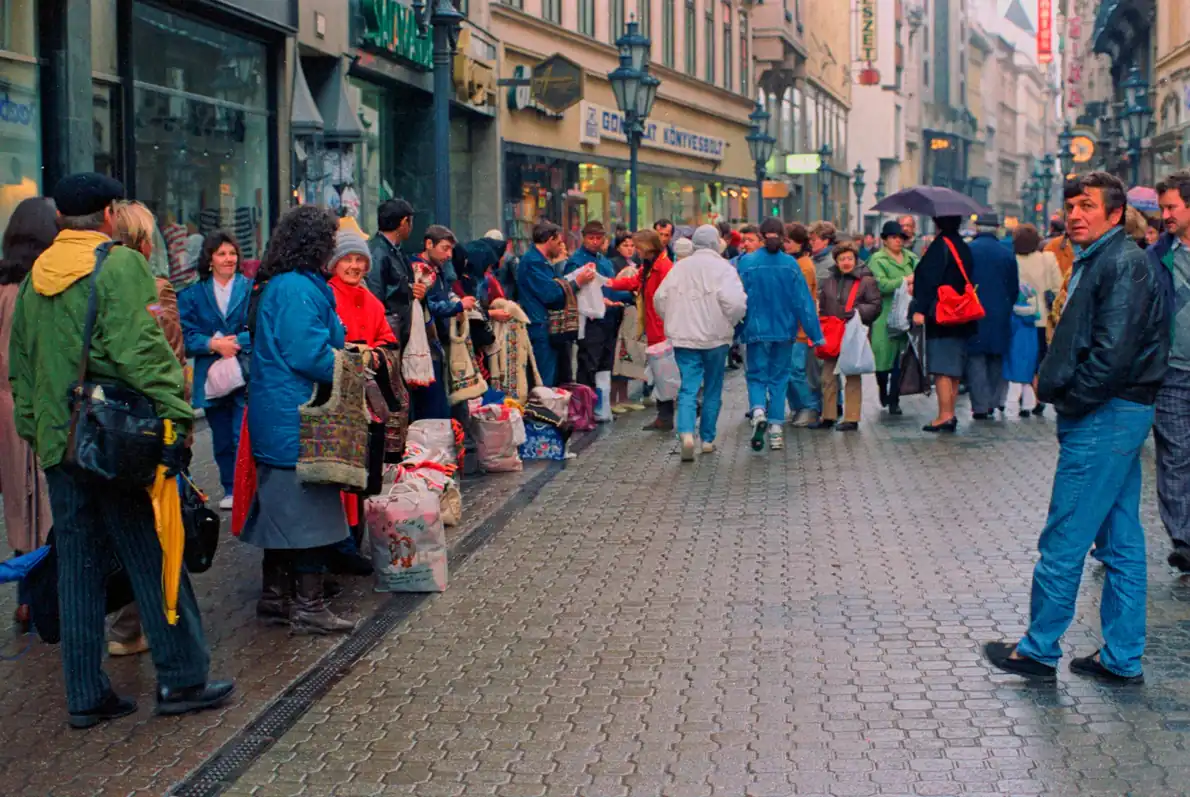
A high street changes character through the day. A delivery early in the morning, a school run, a lunchtime errand and an evening journey place different demands on the same pavement.
Observe several periods before deciding what the street lacks. Empty space at one hour may be busy at another, and a small obstruction can have a very different effect when more people arrive.
Connect access with reasons to stay
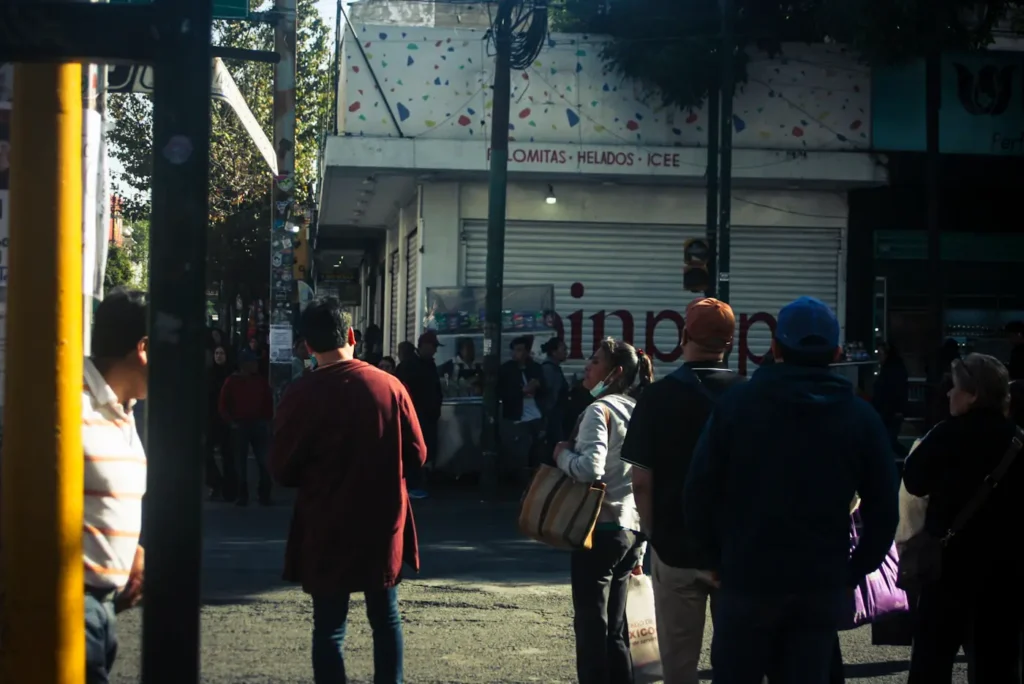
Access and comfort need to be considered together. Shops require deliveries, people need convenient routes, and some visitors need a place to rest before continuing.
Clear crossings, readable signs and seating are not decorative extras to a retail strategy. They shape whether several errands can become one comfortable trip and whether someone can use the street without hurrying.
Support variety without losing the essentials
A useful high street offers a mix of routine services and reasons to discover something new. That mix develops through individual businesses, property decisions and the care of shared space.
Ask traders and residents which everyday tasks are difficult. Improvements rooted in those tasks are easier to assess than a plan built entirely around a single event or a new visual identity.