On this page
Read the river and its surroundings together
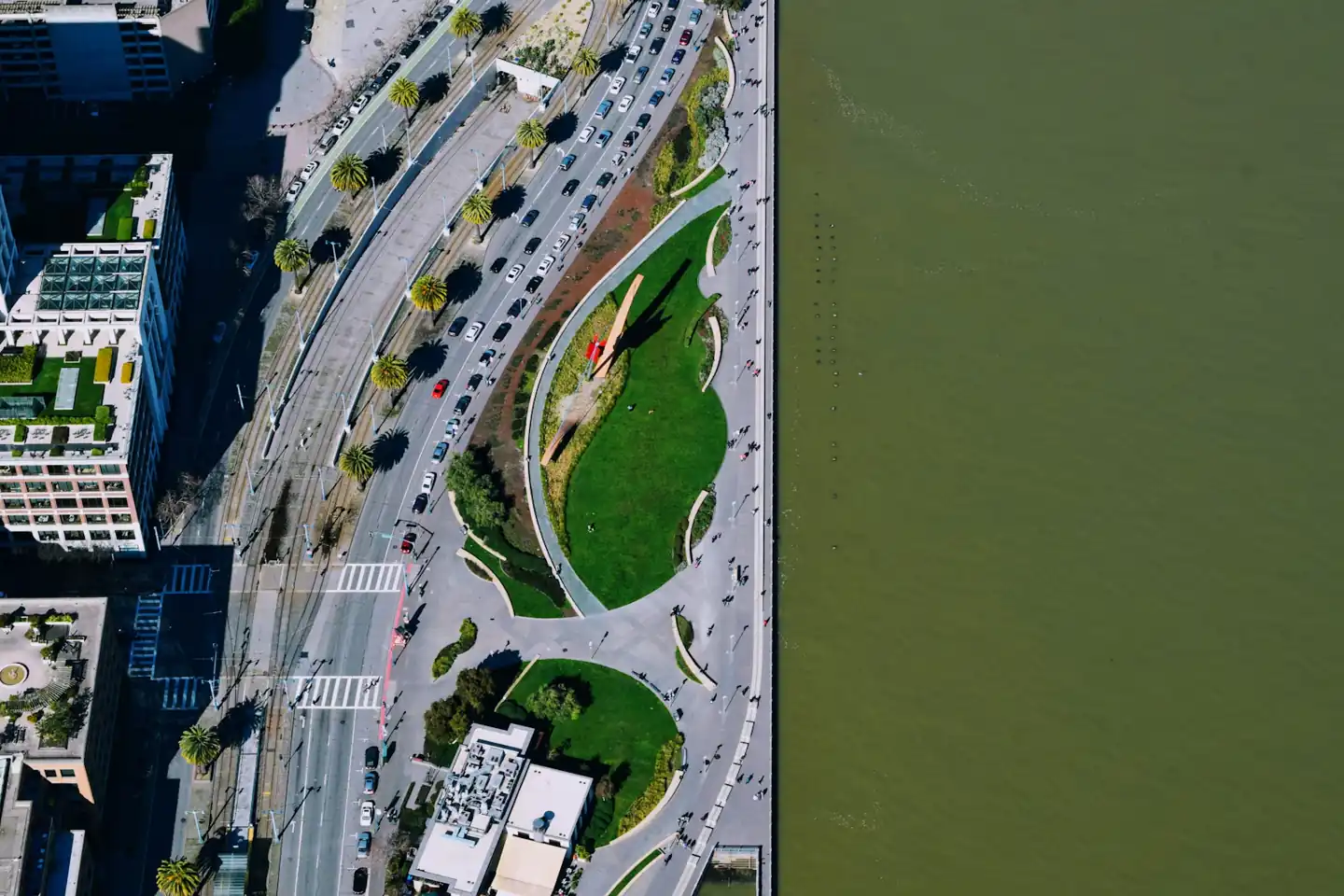
Look at how streets reach the water, where paths continue and which edges remain difficult to approach.
A river is part of a larger landscape and a working city. A successful public route needs to account for those relationships rather than treating the water as scenery behind a separate design.
Let access have more than one pace
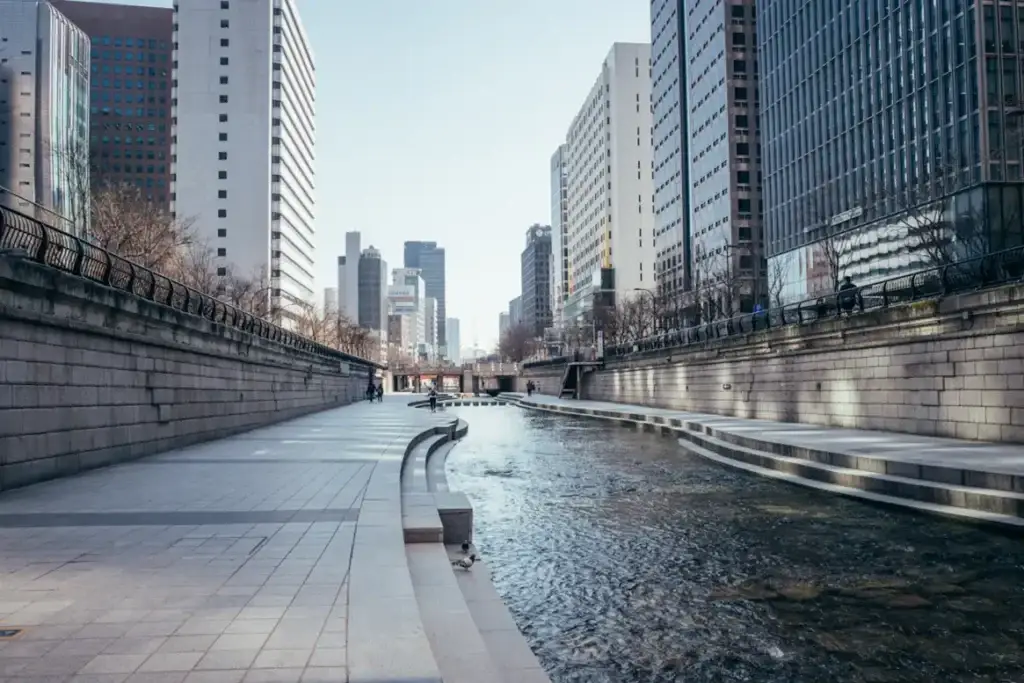
Some people arrive for a long walk, others need a short crossing or a place to sit. Consider the relationship between through-routes and stopping places.
Clear access and suitable local assessment are especially important beside water. The public landscape should remain understandable to somebody making an ordinary trip, not only to a visitor following a leisure itinerary.
Give environmental work an accurate account
Changes to a river environment involve specialist assessment and responsibilities beyond the visible path. A planted edge or an attractive photograph does not by itself establish ecological improvement.
Explain what a project actually does, which evidence is available and what remains to be monitored. Specific information makes the public conversation more useful.
Return through changing conditions
The same route can behave differently after rain or during a busy period. Observe how maintenance, access and surrounding activity affect its use.
Give problems a clear reporting route. A city’s relationship with a river develops through continuing care as well as the initial decision to create a place beside it.