Demo story. Sample content for the Pressline theme demonstration.
On this page
Watch the task before naming the feature
Technology projects often begin with a feature list assembled far from the task. Spend time understanding the work before deciding what the interface should contain.
Notice the information people copy between systems, the informal note kept beside a screen and the moment a colleague must be called. These details can reveal where a digital tool should help and where it might add another interruption.
Design for the awkward part of the day
The useful design question is not only whether a task can be completed, but under what conditions. Someone may be working with one hand, a narrow screen or a limited connection.
Instructions should not assume specialist vocabulary that the audience has never encountered. A clear sequence and an obvious recovery path matter most when the task is already inconvenient.
Test the smallest useful version
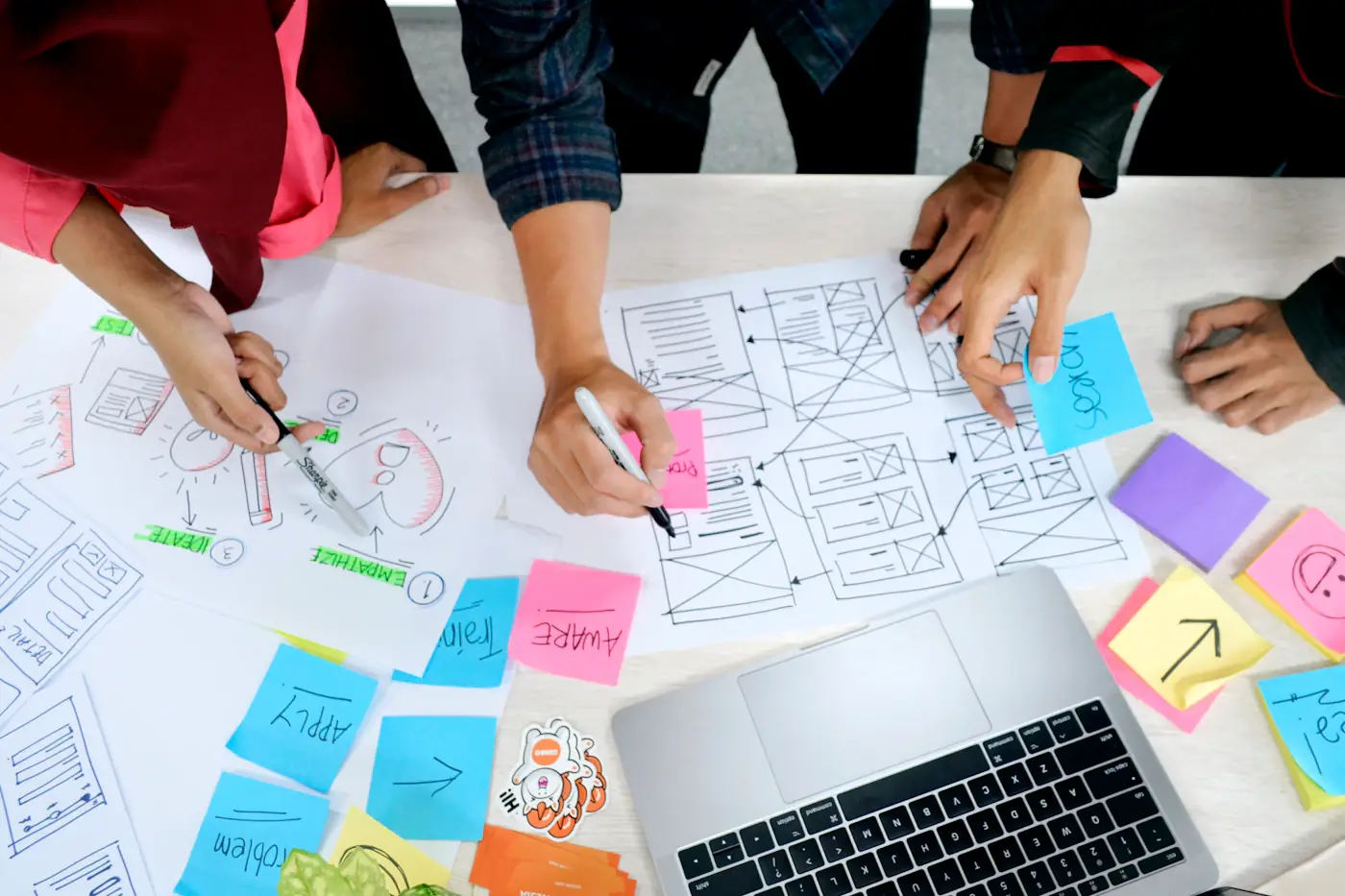
Build a version that tests the central assumption without requiring every future feature. Ask people to attempt an ordinary task and observe where they become uncertain.
Include maintenance and support in the review. A tool earns its place when its benefit can be described in terms of the work it helps someone complete, rather than the novelty of the technology underneath it.