Demo story. Sample content for the Pressline theme demonstration.
On this page
A seat is part of a route
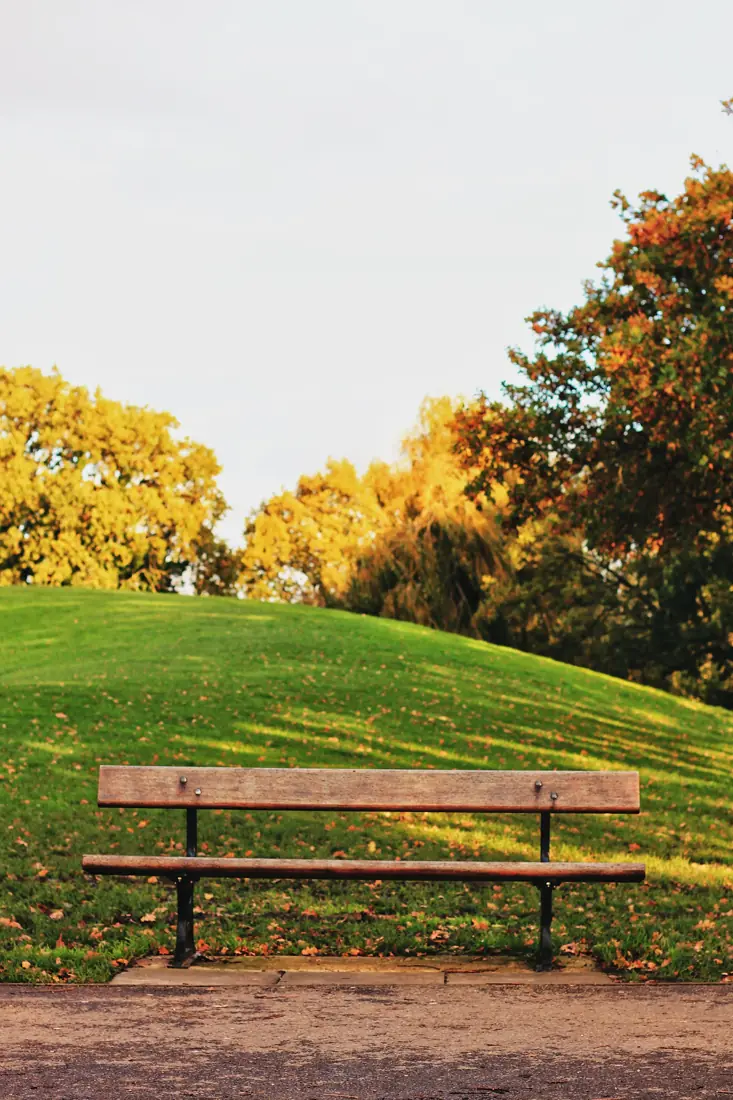
A bench is most useful when it appears where someone needs a pause. That might be between a station and a shopping street, beside a playground or near an entrance that often involves waiting.
Read seating as part of a network rather than a collection of isolated objects. A well-placed ordinary seat can make a familiar journey possible for more people.
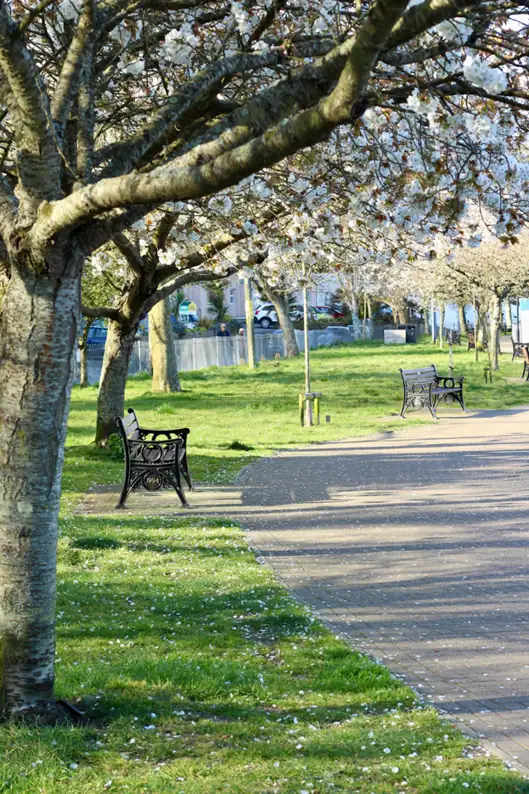
Offer different ways to stop
Different arrangements support different needs. Some visitors want to sit beside another person; others prefer a little distance or a view of passing activity.
Leave enough clear space around seating for movement and companions using mobility aids. Consider shade, wind and drainage alongside appearance. A seat that cannot be used comfortably in common weather conditions is not delivering its promise.
Judge the space in everyday conditions
Observe whether people actually stop, how long they stay and which alternatives they choose. Speak to those who pass through as well as those already sitting.
Maintenance, cleanliness and the surrounding activity all affect the answer. Making room to stay is a continuing practice of noticing where comfort is missing and addressing it in a way that fits the place.