On this page
Survey before imagining the finished space
An old building can invite an immediate picture of its future: a workshop becoming a studio, a warehouse becoming a public venue or an office finding a different role. Begin with a qualified survey rather than that image.
The structure, services, condition and requirements of the proposed use need to be understood together. The attractive surface is only one part of the decision.
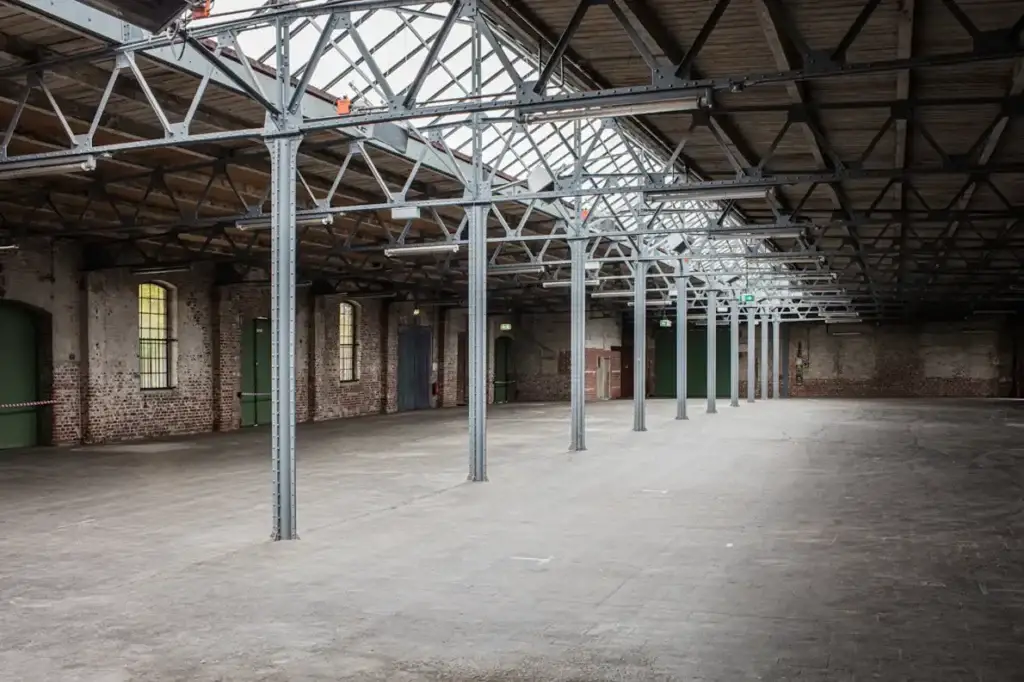
Let the existing building shape the brief
Existing proportions can suggest opportunities and limitations. A deep floor plate may suit some activities better than others, while the position of stairs and entrances shapes how people move.
Work with those qualities instead of assuming that every building can accommodate the same brief. A successful reuse is a relationship between a plausible use and the particular place available.
Make change legible without manufacturing history
New work can acknowledge what is old without pretending that every surface is untouched history. Accurate records and an understandable account of changes help people read the building.
Avoid turning ordinary traces of use into an invented story about a former occupant. The genuine character of the place can remain interesting without a theatrical narrative attached to it.
Plan for the next round of care
Reuse does not end when the new doors open. Document alterations, establish maintenance responsibilities and keep access to the parts that will need attention.
Decisions made now will become the conditions of a future repair or adaptation. Giving a building another life means allowing it to continue changing with care, rather than simply freezing an appealing moment for a photograph.
The setting belongs in the brief
A building does not operate independently of the street around it. Review how the new use will receive deliveries, welcome visitors and relate to neighbouring activity.
The appropriate answers will vary with the site and local requirements. A carefully adapted interior can still be awkward if its entrance is difficult to find or its day-to-day operation conflicts with the surrounding place. Understanding the setting helps the project become part of an existing neighbourhood rather than an object presented only through photographs.
Questions to take forward
- Begin with an appropriate survey and a plausible use.
- Work with the qualities of the existing space.
- Document changes for future care and adaptation.