
Demo story. Sample content for the Pressline theme demonstration.
On this page
Distinguish availability from progress
A working week can become crowded with evidence of activity while important work remains unfinished. Separate the periods when people need to be available from the tasks that require uninterrupted attention.
A team may need both, but they do not have to occupy every hour. Make response expectations explicit so that a quiet period is understood rather than mistaken for absence.
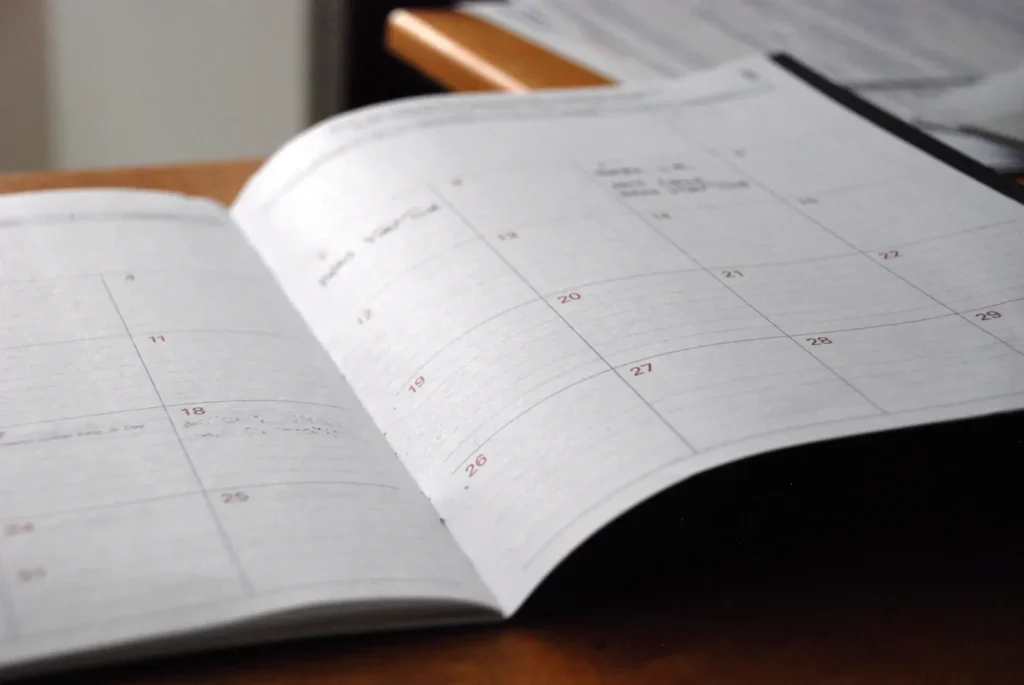
Plan around the work that needs concentration
Place meetings where a conversation will help a decision, not simply where a recurring slot already exists. Share the material needed beforehand and leave time afterwards to do the work that follows.
Different roles have different rhythms; a service team cannot always use the same pattern as a research or design team. The useful schedule is one that recognises those differences.
Give the week a visible ending
A short review can make the week's edges clearer. Record what moved forward, what remains open and what has changed for the next period.
Avoid turning this into another lengthy report. The point is to prevent unfinished work from surviving only in individual memory. A thoughtful week gives people a clearer relationship between commitments, available time and the work that actually matters.