Demo story. Sample content for the Pressline theme demonstration.
On this page
Look at the spaces the plan leaves behind
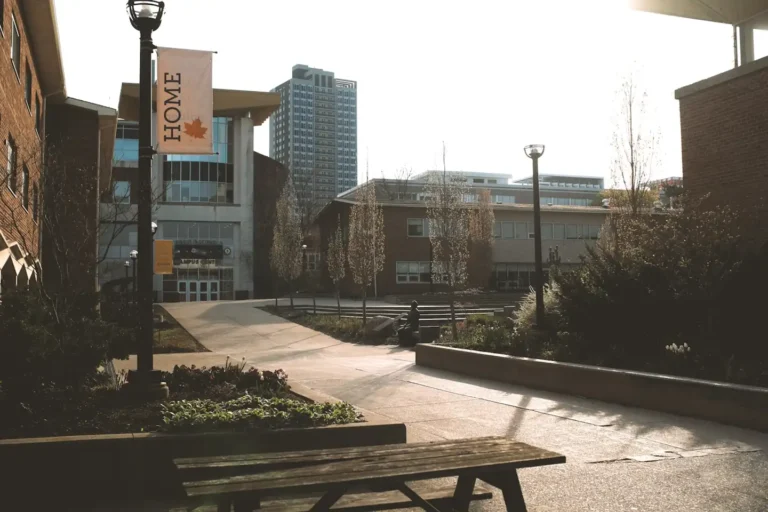
Courtyards, passageways and setbacks often receive less attention than the buildings around them. Yet these spaces determine how a short walk feels and where an informal meeting can happen.
Look for the route people already choose, where sunlight falls and which edges feel comfortable to stand beside. An apparently leftover area may already have a role that is easy to miss from a drawing.
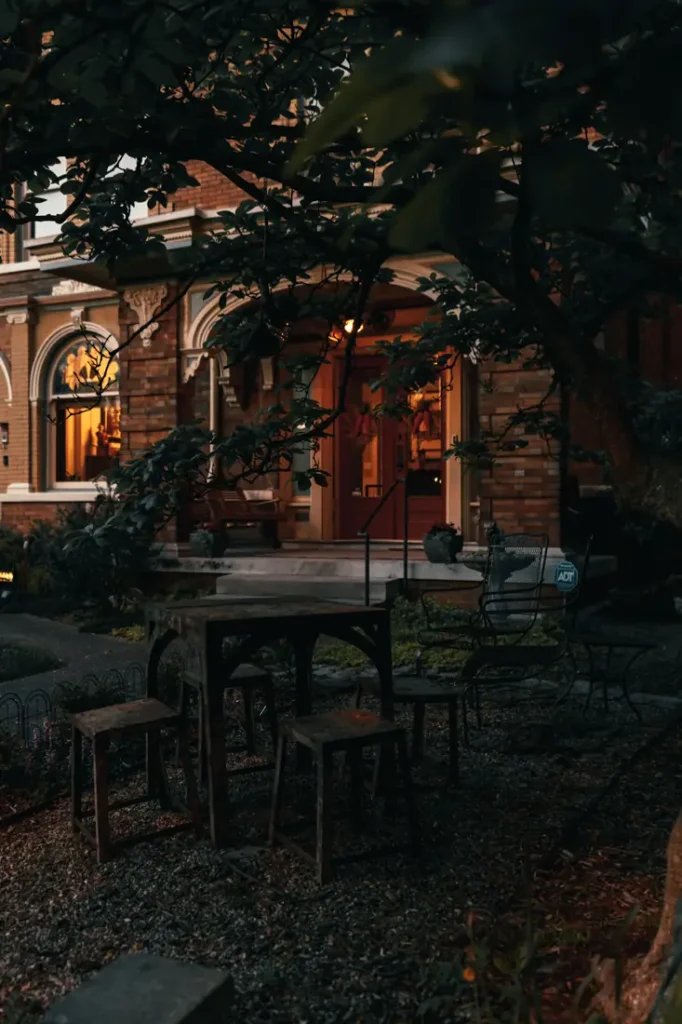
Give an edge a useful purpose
A threshold can offer a seat, a sheltered waiting place or a view into a shared activity. The detail should fit its use and leave a clear route through.
More objects do not necessarily create more life. Sometimes removing an obstacle, making an entrance legible or looking after an existing tree is more useful than adding an elaborate installation.
Treat small changes as something to observe
Temporary arrangements can reveal how a space behaves before a larger change is made. Observe who uses them, at what times and under which weather conditions.
Make sure responsibility for care is clear. The lesson of the space between buildings is that architecture continues beyond the front door, through the small decisions that shape an ordinary encounter with a place.