
Demo story. Sample content for the Pressline theme demonstration.
On this page
Public space is most useful when it works for ordinary routines: walking to school, meeting a friend, or finding a quiet place to pause.
A different starting point
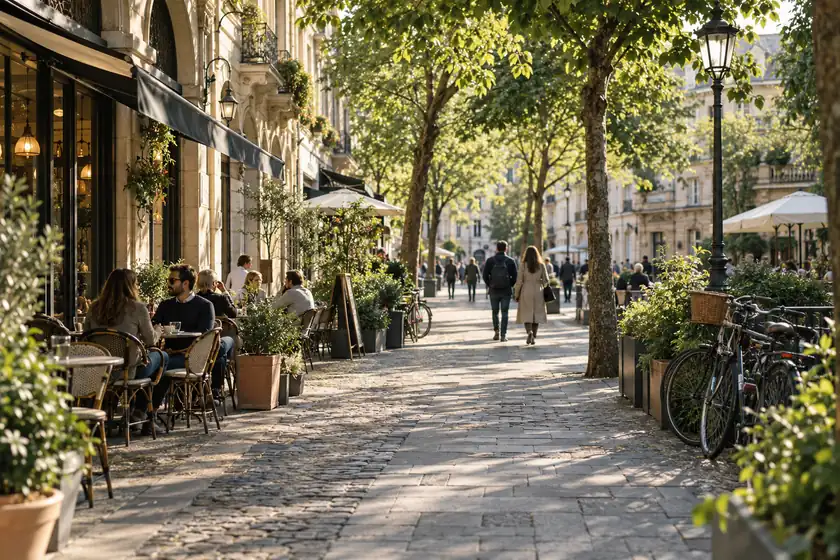
A street is more than a route between destinations. It is also a place to pause, meet a neighbor, wait for a bus, or watch the day begin. Looking at the city from this level brings small details into focus: a shaded bench, a crossing that feels comfortable, and a shopfront that welcomes people inside.
What deserves our attention
A people-centered approach starts with observing how a place is already used, then asking which barriers make daily life harder.
Putting the idea into practice
Small, maintained improvements can connect into a stronger network of streets, gathering places, and shared services.
Better places and better tools begin with paying attention to the people who use them.
A perspective to take away
A thoughtful place gives different people room to take part in everyday life. The useful question is how a particular change feels to those who walk, wait, work, and spend time there. Listening at that scale can turn an abstract discussion about the future into a practical conversation about today.