On this page
Explain who can use the space and when
A visitor should be able to understand opening arrangements, booking and the activities taking place. Keep that information available before the journey to the venue.
Clear expectations help different users share a facility without having to discover its unwritten rules on arrival. The practical welcome is part of the design.
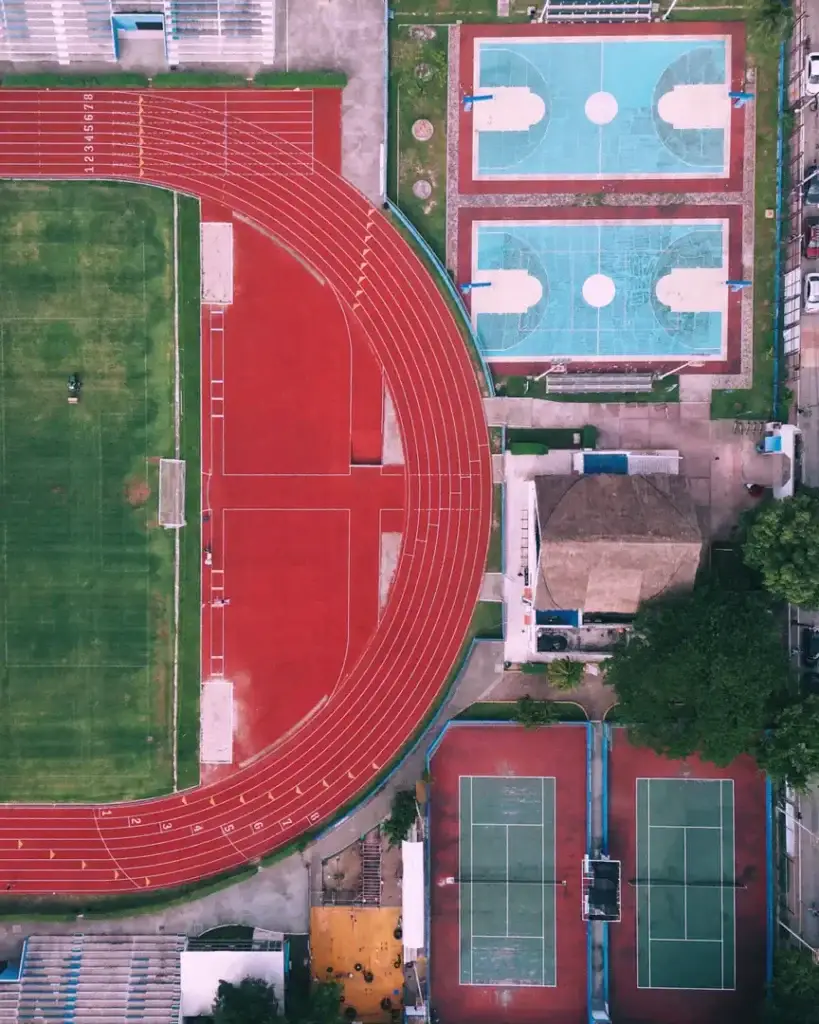
Consider the transition from arrival to activity
The route to the surface, the place to leave belongings and the surrounding facilities influence the visit. Review those ordinary moments with different users.
A strong visual design should be supported by an accessible and appropriately managed environment. The experience begins before someone reaches the lane markings.
Make shared use understandable
Organised training, informal activity and other scheduled uses may need different arrangements. Explain how they fit together and who can answer a question.
A clear programme does not need to make the place feel intimidating. It should help someone understand whether the visit they have in mind is appropriate at that time.
Look after the setting as a whole
The surface is one part of the facility’s continuing care. Access routes, information and surrounding spaces also need attention.
Establish a dependable way to report a concern. A useful sporting place grows from the relationship between its specialist requirements and the ordinary conditions that make people comfortable returning.