On this page
Follow the gaps between scheduled activities
A campus day includes waiting, moving and deciding where to spend a short interval.
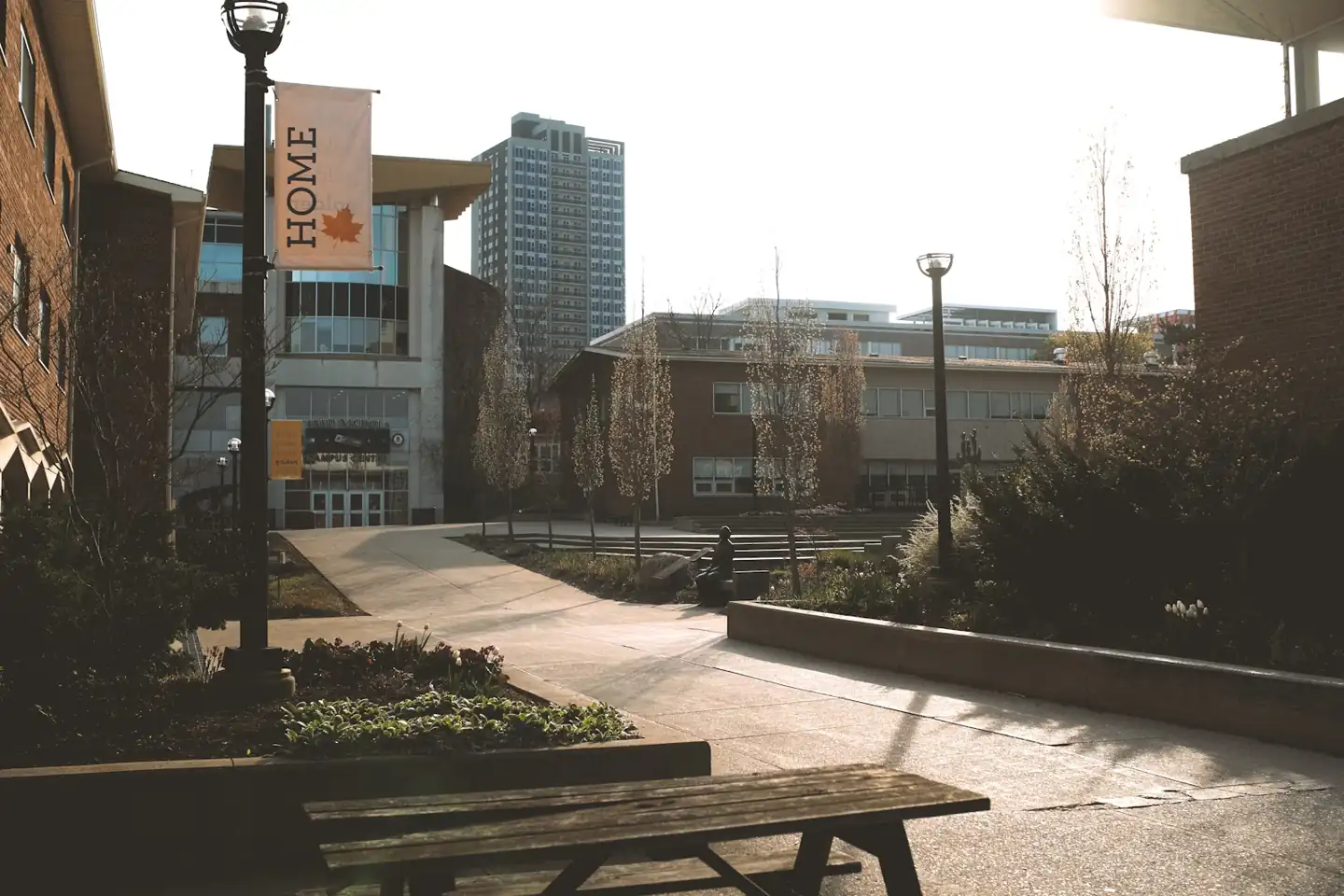
Observe the routes between the places people already need to visit. A courtyard can support those transitions when it has clear entrances, a useful relationship with nearby rooms and a reason to pause.
Provide a choice of ways to stay
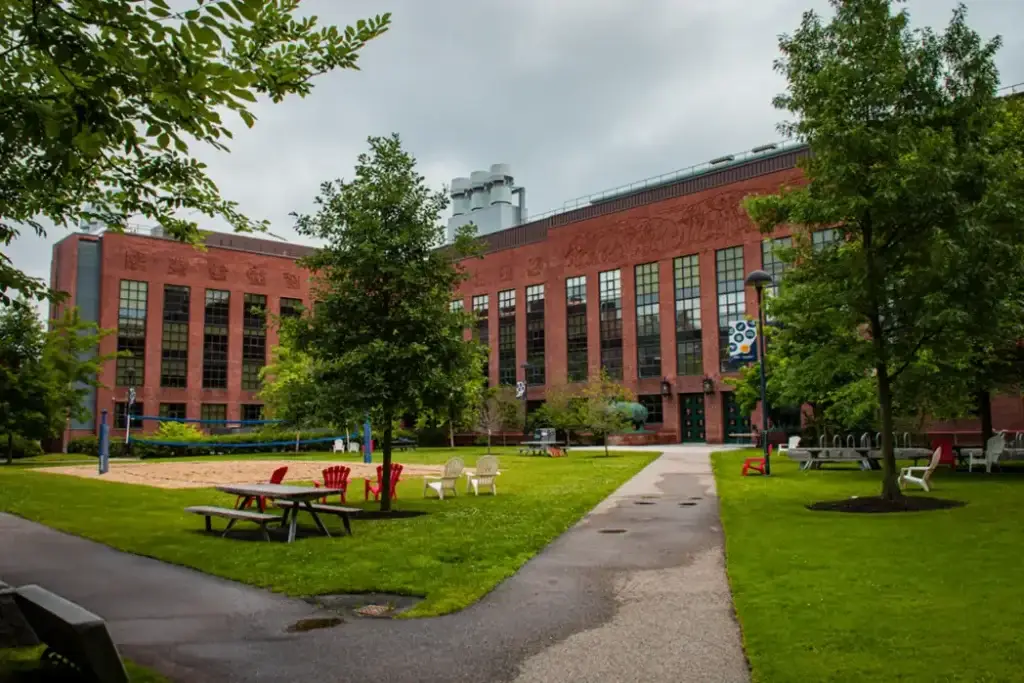
Some people want a conversation, others a quiet seat or a place to read. Different arrangements can support those needs without assuming that every shared space should be lively.
Consider access, weather and the work of looking after the place. An attractive plan needs to become a comfortable everyday setting.
Make shared activity visible
A view of work in progress, a temporary display or a clearly explained event can connect a courtyard with the life of a campus.
Keep routes through the space clear and make participation understandable. The invitation should work for a new student as well as an established group that already knows where to gather.
Keep learning from the place
Review the space at different points in the academic year and under different conditions. Ask who uses it and who finds it difficult.
Small adjustments can respond to a recurring need before a larger redesign is considered. The shared environment becomes useful through observation and care, not only through the ambition of its first drawing.