On this page
Look at colour as part of a surface
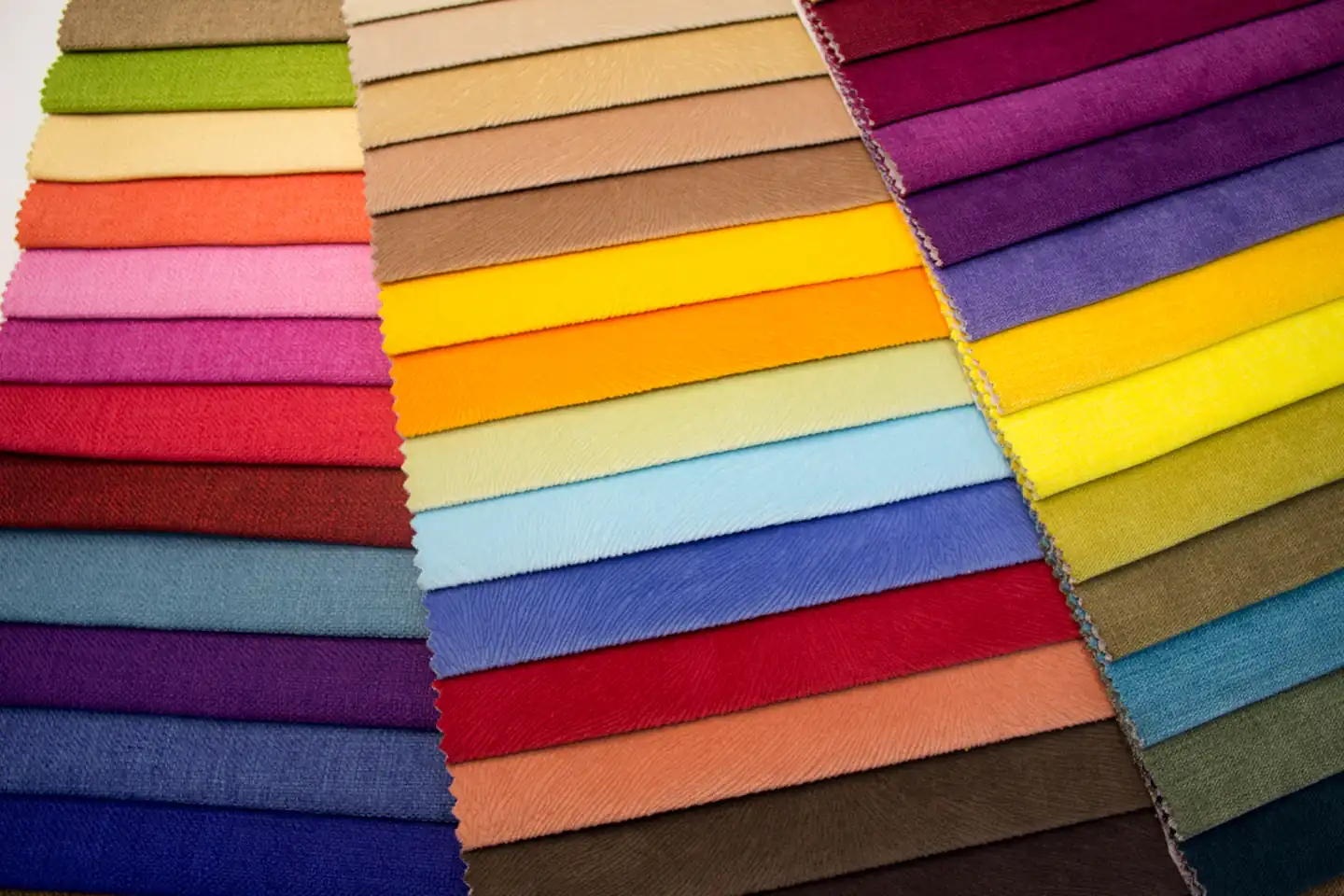
The same broad colour description can appear very different across a woven fabric, a smooth coating and a textured finish. Begin with the actual material when the decision concerns a physical object.
Consider how it catches light and how its texture is seen from different distances. A screen can support the discussion, but it should not be mistaken for the surface that will eventually be used.
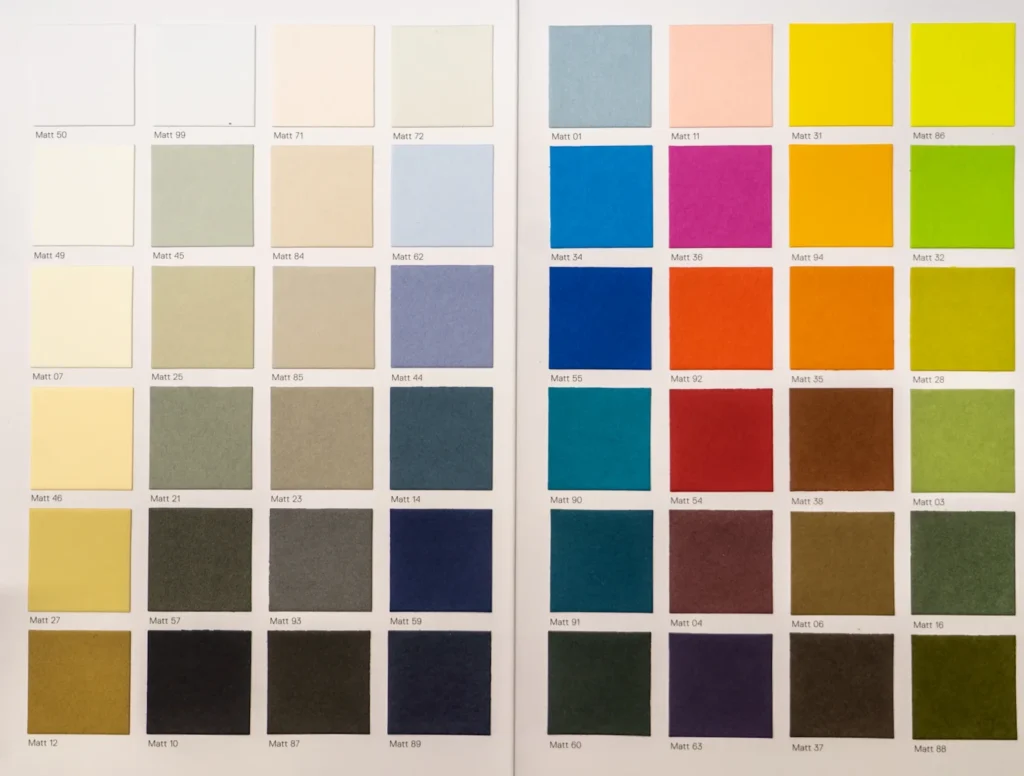
Keep the sample connected with its information
A beautiful collection becomes useful when each sample can be identified. Record the supplier, reference and relevant specification alongside the physical piece.
Keep obsolete material distinguishable from current options. The aim is a working library that supports a decision, not an accumulation of attractive fragments that cannot be traced when somebody needs to use one in a project.
Test relationships in the intended setting
Place materials beside the other surfaces they will meet and review them under the conditions that matter to the project.
The appropriate test depends on the use and should be agreed with relevant expertise. A colour chosen in isolation may create a different effect when it covers a larger area or sits beside a strongly contrasting material.
Let the library keep a record of learning
Finished projects provide information that a new sample cannot. Keep notes about how a material was used, what worked and which questions emerged later.
That history can make a future decision more specific. A material library earns its space when it connects sensory judgement with dependable information and the experience of things already made.