On this page
Choose a base that fits the kind of visit
Think about the stay as a sequence of ordinary days. Access, available transport and the services near accommodation influence what is realistic.
A location that looks close on a map may involve different practical conditions on the ground. Check current local information and choose a plan that fits the people travelling, rather than treating every appealing photograph as another destination to reach.
Give the place time beyond the viewpoint
A longer stay can create room to notice changes in weather, light and the use of a familiar street. A small museum, a local shop or a quiet public space may provide context that a rapid circuit misses.
Leave some of the itinerary open. The point is not to avoid planning, but to keep enough flexibility to respond to the place actually encountered.
Respect the working landscape
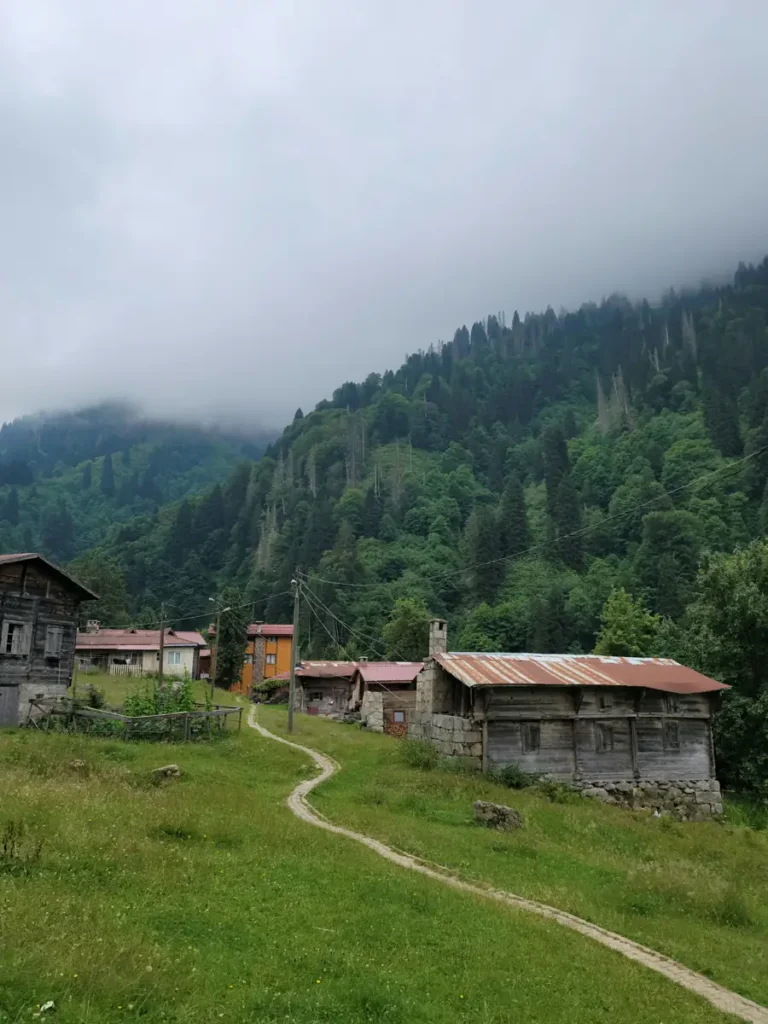
A beautiful setting is also a place where people live and work. Follow local access information and understand that a path, field or building may have a role beyond the visitor’s experience.
Stay within routes appropriate to the conditions and personal capability. The presence of a compelling view does not remove the need to understand how a landscape is used and cared for.
Return with a more specific memory
Keep a few notes about what made the visit distinctive: a route taken repeatedly, the shape of a valley or a question that remains.
Specific memories can outlast an ambitious list of places checked off. A slower stay becomes worthwhile when it deepens the relationship with one destination rather than simply stretching the same hurried itinerary across more days.